


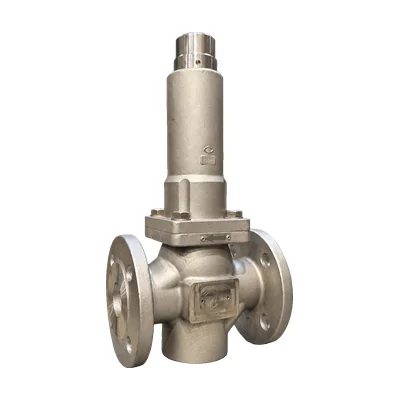

Control valve selection: everything you need to consider to avoid mistakes
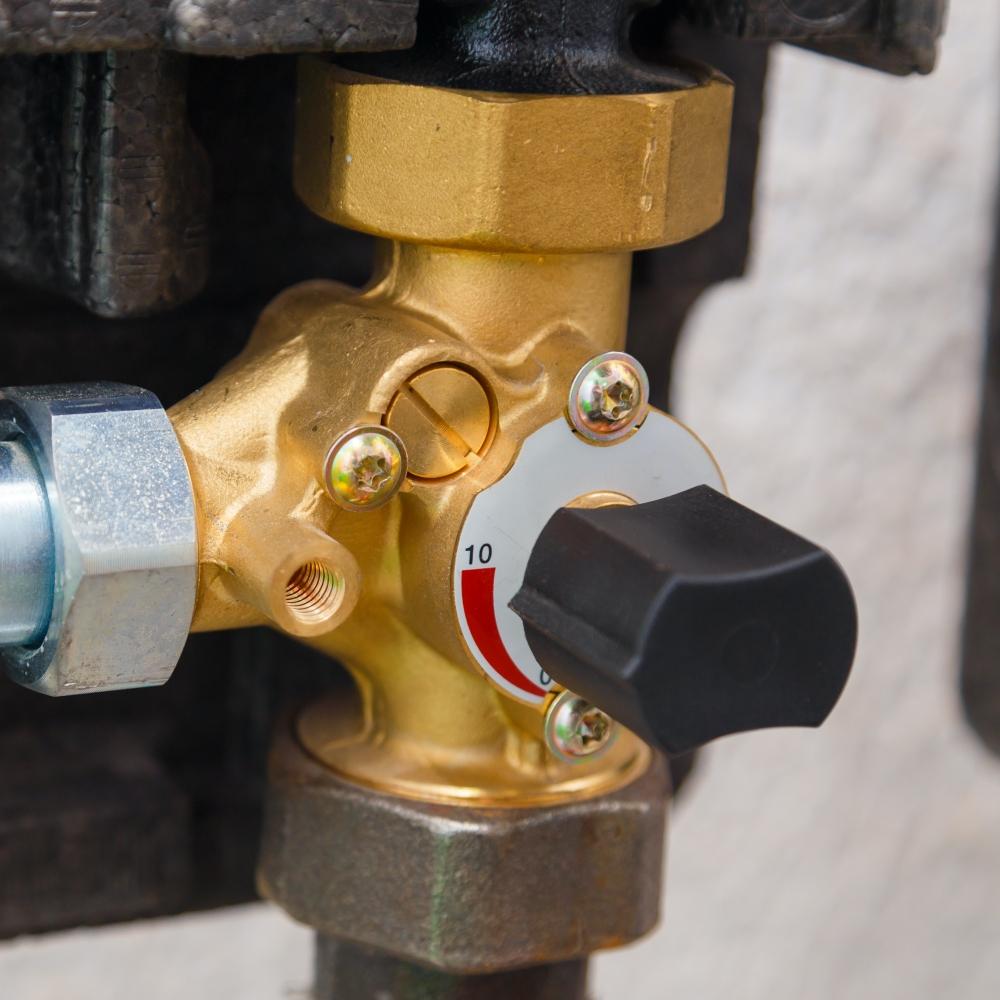
Article contents
General criteria for finding the most suitable control valve
In this post we will try to provide the basic points for choosing correctly and properly carrying out the selection of a control valve for your system or installation.
What parameters would an applications engineer follow? The answer to that question involves quite a few variables, but broadly speaking, the control valves of today, regardless of brand and of their commercially differentiating features, offer a wide range of possibilities.
Control valve function
One of the factors worth being clear about when the time comes to choose your valve is its function; today, broadly speaking, control valves can perform four different functions: isolation, non-return, regulation, or safety.
In the first case, what we are looking for is to fully interrupt and isolate the flow; in the second, the function is to prevent the flow from returning to the pressurized zone; in the other two cases, the functions are to regulate and modify the flow rate, or to ensure protection of the equipment in the event of excess pressure.

Nominal pressure in control valve selection
A very important factor to identify is the nominal pressure of the valve, also known as the “Rating.” This value is derived from cross-referencing different data, such as the effective working pressure and the effective working temperature.

| DIN | ANSI |
|---|---|
| PN 10 | Class 125 |
| PN 16 | Class 150 |
| PN 25 | Class 300 |
| PN 40 | Class 600 |
| PN 64 | Class 900 |
| PN 100 | Class 1500 |
| PN 250 | Class 2500 |
Control valve materials: What should you consider?
Once you have identified the nominal pressure of your valve, you need to look at the materials to avoid mistakes; there is a long list of factors: resistance to erosion and to fluid corrosion, the temperature the valve must withstand, and the chemical compatibility of the materials with the fluid; in essence, it is important to be clear about the pressure-retaining body, the soft parts and packings, as well as all the bolting and external coatings.
Each of the parts must be made of the appropriate materials.
Control valve actuation
To select your control valve correctly, you should also look at the actuation system, since current models can be actuated by different methods or systems.
The first is manual; they can also be actuated by the fluid itself or by external components. It all depends on the needs of your installation: frequency of operation, available auxiliary power…

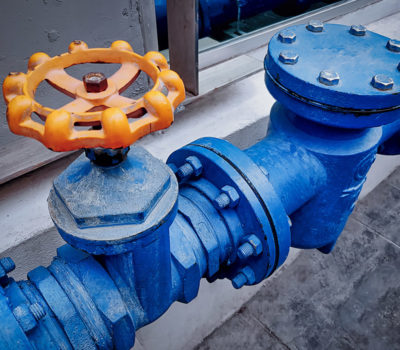
Finally, the size of the control valve
The size of the control valve must be chosen based on different parameters such as the line flow rate, cavitation, and differential pressure…
At Valfonta we know that all these concepts may sound somewhat unfamiliar if you are not well acquainted with the technical characteristics of your system.
If you would like us to help you select a control valve, simply contact our customer service department by filling out this form.
We would like to close by reminding you that we are not only specialists in control valves, but also have a high degree of specialization in pressure reducing valves, pressure relief valves and other products such as steam or liquid injectors and ejectors for all types of industrial systems.
We are a family business with a great many years of work behind us, which is the best guarantee for each of our customers.
Control valve characteristics: definition and applications
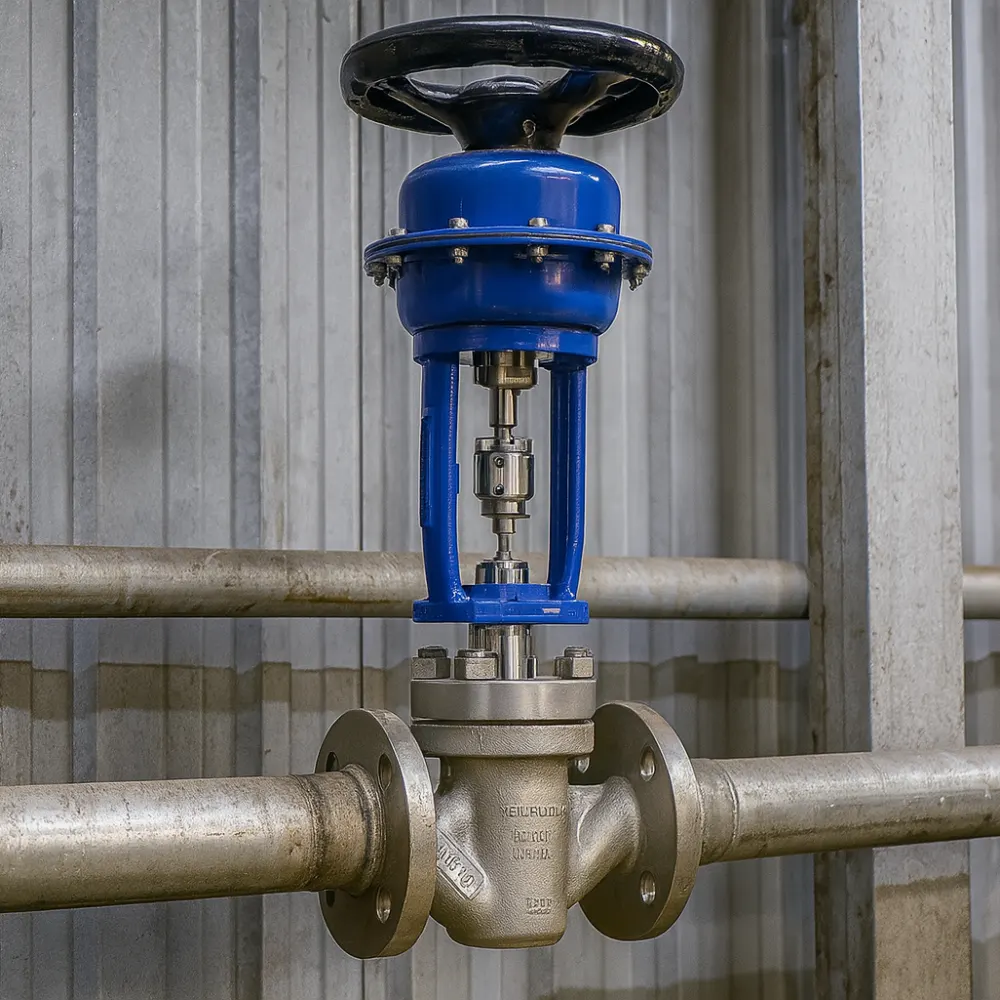
To answer the question of how to select a control valve it helps to explain what it is and what its function is. A control valve is used to regulate the flow of a fluid, behaving like a variable-area orifice that modifies the pressure drop as dictated by the signal from a controller. It makes it possible to regulate the flow rate and other factors such as the temperature, level, or pressure of the fluid.
As general characteristics, it should be noted that it must withstand the temperature and pressure of the fluid without leaks, be properly sized for the flow to be controlled, and also resist the erosion or corrosion caused by the fluid it controls.
That said, to choose a control valve correctly, several factors must be taken into account, which we detail below:
Fluid it will handle
Inlet pressure and outlet pressure
Initial temperature
Pipe size
Type of actuator required: it can be pneumatic (diaphragm or spring) or electric.
Flow rate
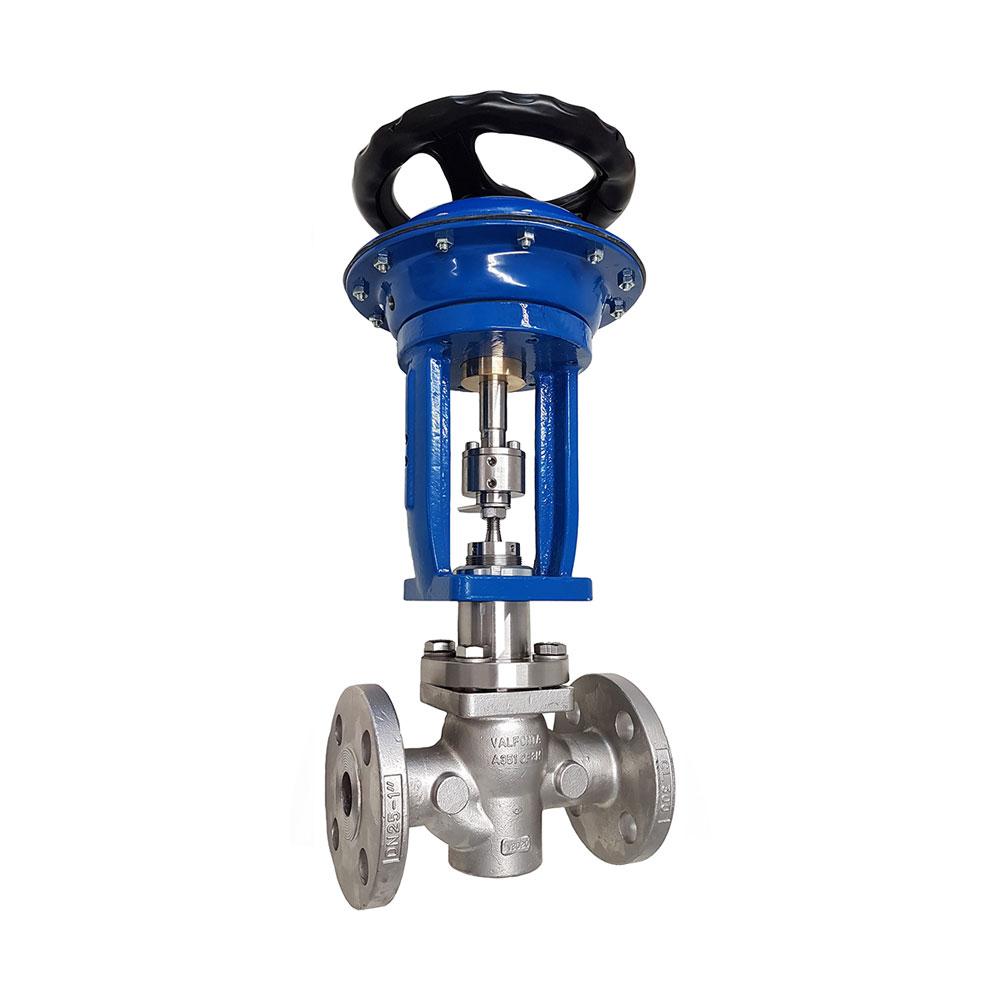
The Valfonta C1 control valve: main features
This is our most characteristic model and the one we usually install for a long list of industrial applications.
C1 control valves have been designed for the control of gases, vapors, and liquids in accordance with the European Pressure Equipment Directive. They are certified under the ISO 9001 quality system.
The modular concept of this valve and its wide range with different internals offer many possibilities and combinations. The body shape ensures optimal fluid regulation.
For proper use, it must be ensured that the control valve is used in areas with temperature and pressure values that do not exceed the operating values in the product specifications supplied with the order.
If you need a custom solution, learn about our control valve design service or browse the range of control valves, including the C1 valve.
Related valves
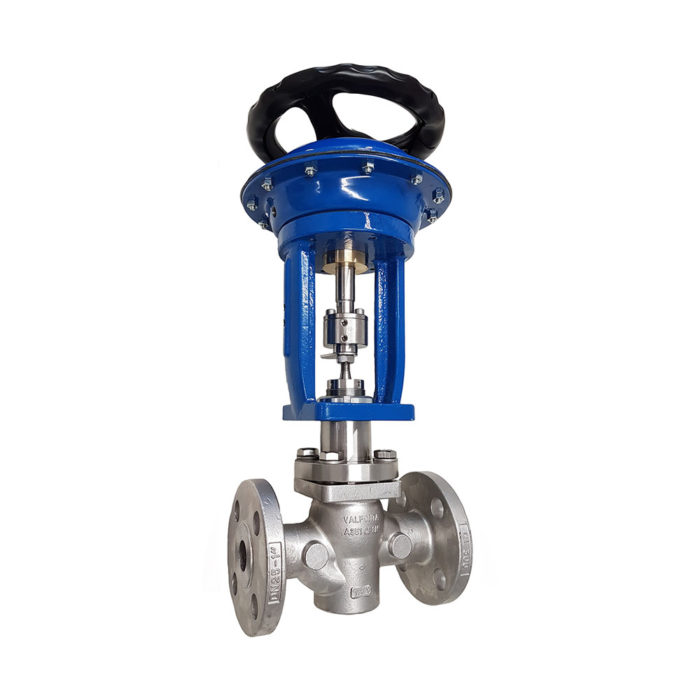 C1 control valve
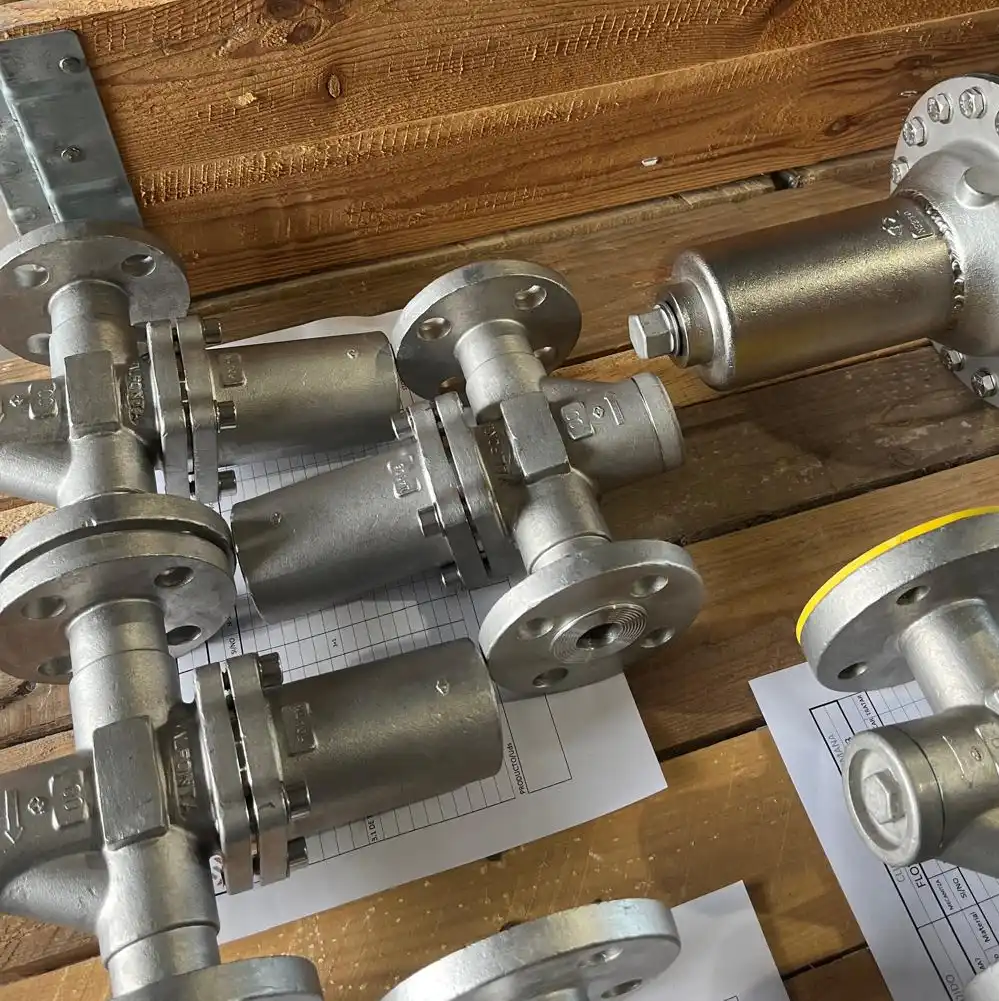 Pressure reducing valves
Related articles
Can we help with your installation?
Tell us the fluid, the inlet and outlet pressures, the temperature, and the flow rate, and we will recommend the right valve.
You can also call 933 720 888 or email valfonta@valfonta.com.