



Common mistakes when using pressure control valves in industrial installations
Article contents
Basic principles of pressure control valves
Pressure control valves play a key role in the operation of complex industrial systems and are essential to ensure the stability and efficiency of many processes. These devices can precisely and automatically manage critical variables such as flow, pressure, or temperature, adapting to the changing operating conditions of different industrial processes.
The accurate regulation these valves provide ensures not only operational safety but also the quality and consistency of the final product. It also optimizes the energy performance of the installation, reducing unnecessary operating costs and extending the service life of the machinery and systems involved.
However, improper selection, installation, or maintenance of these valves can lead to serious and varied consequences. Among the most common problems are operational inefficiencies, increased energy consumption, and accelerated wear of system components. In addition, a poor choice of valve or mistakes during installation can create significant safety risks, from leaks and pressure failures to extreme situations such as explosions or serious accidents.
In this technical guide, we will analyze in detail the most frequent mistakes related to the use of pressure control valves. We will also offer specific, practical recommendations to avoid them, highlighting best practices during the selection, installation, and maintenance phases. Our goal is to provide useful tools to substantially improve operational efficiency, maximize the safety of personnel and facilities, and significantly extend the service life of any industrial system that depends on precise pressure control.
What is a pressure control valve and how does it work?
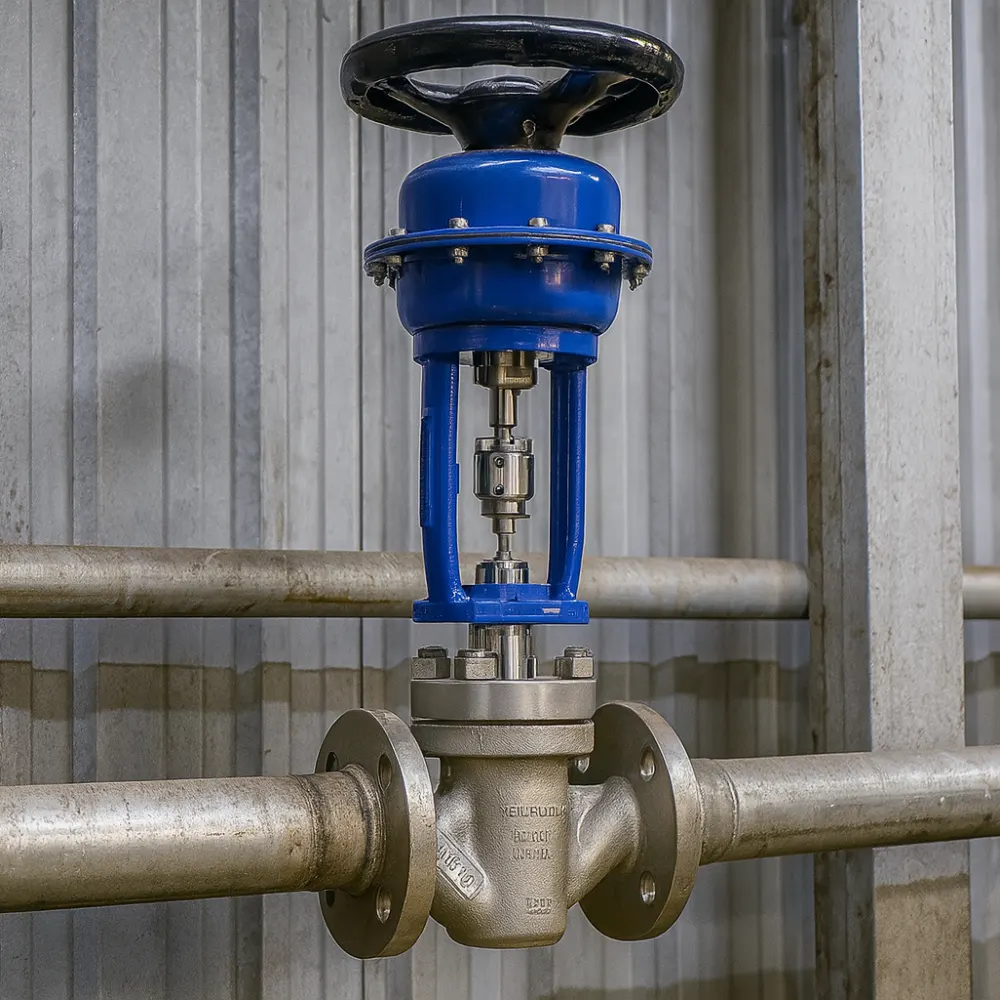
A pressure control valve is a mechanical device designed to automatically regulate the flow of a fluid, precisely adjusting the pressure, flow, or temperature in a pipeline. Its basic operation relies on a moving internal element (usually a plug), driven by an actuator that responds to external control signals.
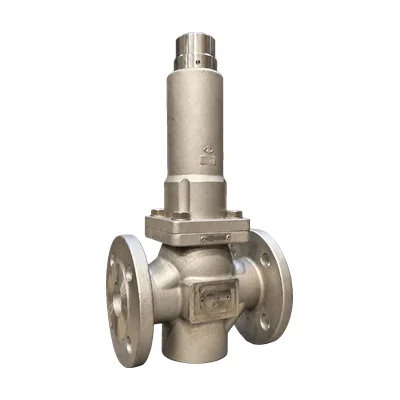
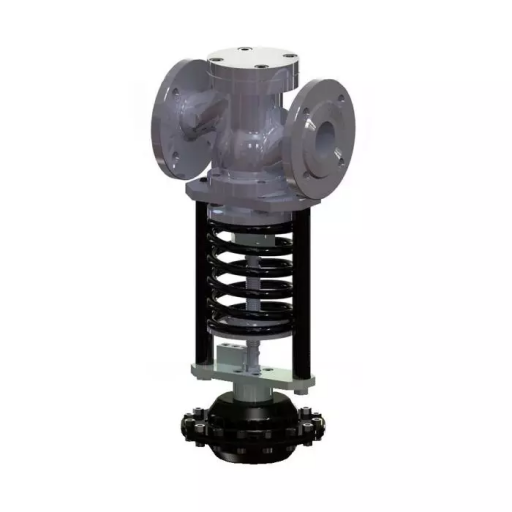
Unlike a pressure reducing valve, whose main function is to maintain a given downstream pressure constant, or a relief valve, whose function is to release pressure in emergency situations, control valves provide continuous, dynamic regulation in response to process variations.
They are typically used in demanding industrial environments such as chemical and pharmaceutical plants, steam installations, industrial HVAC systems, or automated processes, where precise fluid regulation is essential for performance and safety.
Main mistakes when selecting pressure control valves
Not properly considering the operating conditions
One of the most frequent mistakes in control valve selection is not paying enough attention to the actual operating conditions. Each installation has its own pressure, temperature, and fluid type conditions that significantly affect valve performance.
Key aspects to consider:
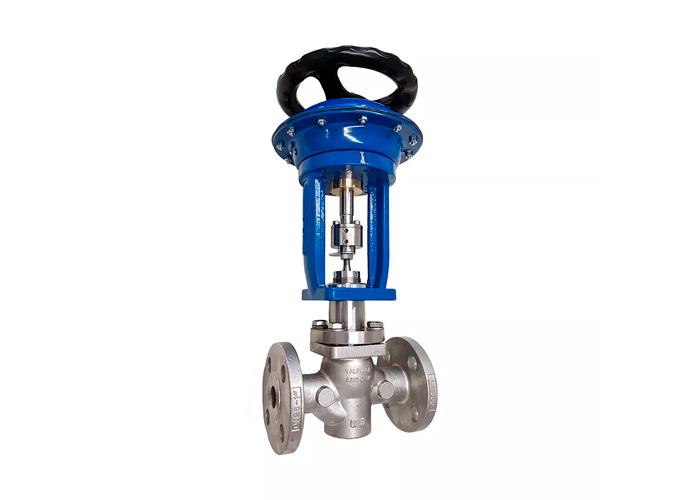
- Fluid pressure and temperature: It is essential to select a valve that comfortably withstands the system’s actual operating pressures and temperatures. For example, the Valfonta C1 pneumatic valve can operate effectively with pressure ratings up to PN40 and operating temperatures that depend on the materials used:
- GP240GH carbon steel: from -10°C to 400°C.
- AISI 316 stainless steel: up to 400°C
- Fluid type (corrosiveness, viscosity, purity): It is essential to consider the properties of the fluid to avoid premature damage. The valve materials must resist corrosion or erosion caused by aggressive, viscous, or impure fluids. The C1, for example, is available in stainless steel, ideal for corrosive fluids or hygienic environments.
Failing to properly evaluate these factors can cause frequent breakdowns, a shorter service life, and higher operating costs due to constant maintenance.
Choosing the wrong type of actuator
Choosing the right actuator is crucial to ensure reliable, precise operation. A frequent mistake is not correctly defining which actuator best meets the specific needs of the system.
When to choose a pneumatic actuator?
Pneumatic actuators are particularly recommended in industrial environments for their high reliability, response speed, precision, and safety in the event of failure (“fail-safe” position). They are especially suitable in ATEX-classified areas where electricity is not permitted.
Advantages of the multi-spring pneumatic actuator (such as the Valfonta C1):
- High modulating precision.
- Reliability in adverse conditions.
- Additional safety in the event of failure, ensuring safe closing or opening.
- Easy integration with 4-20 mA positioners for exact process regulation.
Overlooking these advantages and mistakenly choosing an electric or hydraulic actuator in unsuitable situations can lead to lower performance and unnecessary risks.
Not clearly defining the required level of control (modulating or on/off)
Another common mistake is not clearly establishing from the outset whether the valve must operate in modulating mode (continuous adjustment) or as an on/off valve (open or closed with no modulation). This definition is key, since it determines the type of actuator, the robustness of the plug, and the required maintenance frequency.
- Modulating valves: They continuously adjust their position according to the signal received. They are essential in systems that require high precision and constant adaptation, such as temperature control or exact flow control in chemical processes.
- On/off valves: They open or close fully in response to a simple signal. They are suitable for processes that do not need fine regulation, but rather occasional opening/closing of the flow (for example, secondary circuits or safety).
The Valfonta C1 pneumatic control valve is specifically designed to be versatile, allowing its use in both modulating and on/off service with the same robust body and a multi-spring actuator that can be adapted with an electro-pneumatic positioner.
Failing to clearly define this requirement can lead to using an unsuitable model, causing premature wear, operational inaccuracy, and high costs from early replacements or excessive maintenance.
Frequent mistakes during installation
Proper installation of pressure control valves is critical to ensure their performance, reliability, and service life. However, there are common mistakes that can adversely affect their operation from day one.
Incorrect installation (position or flow direction)
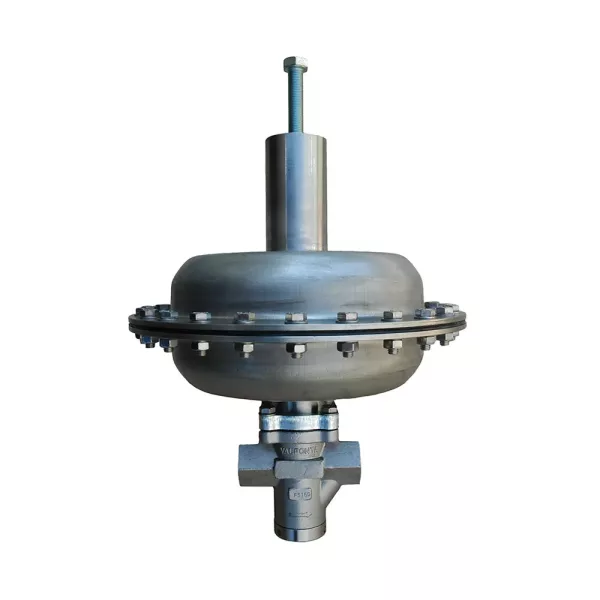
One of the most common mistakes during installation is not respecting the proper position or the correct flow direction indicated on the valve body.
This can lead to serious operational problems, such as excessive noise, vibration, premature wear, and loss of precision in fluid regulation.
According to the technical manual for the Valfonta C1, it is essential to follow these recommendations during installation:
- The valve should preferably be installed in horizontal pipe, with the actuator kept vertical relative to the pipe, to ensure correct operation.
It is essential to follow the arrow marked on the valve body, which indicates the flow direction, so that the plug and seat work correctly and without premature wear. - It is recommended to leave enough space around the valve for future maintenance operations and to ensure easy removal of the actuator (“top-entry” design).
Not following these instructions can cause early operational failures and significantly increase maintenance costs.

Not cleaning the circuit beforehand
Another common mistake is not properly cleaning the pipes before installing the control valve.
Solid debris, metal particles, welding residue, or impurities in the circuit can quickly build up on the valve internals, especially the plug and seat, causing damage, blockages, or leaks.
For the C1, Valfonta specifically recommends:
- Thoroughly cleaning the pipe before installing the valve, removing solid particles or residue from previous processes.
- Always installing a strainer upstream of the valve to protect the components inside and ensure stable, trouble-free operation.
Skipping this cleaning can lead to recurring problems, loss of control precision, and costly corrective maintenance work.
Common mistakes in control valve maintenance
Preventive maintenance is key to ensuring the correct operation and longevity of any industrial valve. However, certain mistakes in planning or performing maintenance tasks are very common.
Lack of regular or preventive inspections
Many industrial facilities underestimate the importance of preventive maintenance and only carry out corrective work after serious failures. This lack of periodic inspection can cause cumulative damage that is difficult to reverse.
Valfonta specifically recommends periodic inspections that include checking critical components of the C1, such as:
- Plug and seat: check for wear, surface damage, or dirt buildup.
- Gaskets and packing: check their integrity and condition to prevent leaks.
- Pneumatic actuator diaphragms: check for deformation or tears.
- General condition of the multi-spring pneumatic actuator: make sure it shows no visible damage, corrosion, or operating problems.
The recommended frequency is usually annual, although this interval may vary depending on the severity and operating conditions of the specific industrial environment.
Using non-genuine or incompatible spare parts
Using non-genuine or incompatible spare parts is a frequent mistake in maintenance work. Although it may initially seem like a cheaper alternative, using generic or non-certified parts causes premature failures, accelerated deterioration, and loss of operational efficiency.
Valfonta clearly warns in the C1 manual about the importance of using only genuine, compatible spare parts. The advantages of doing so are clear:
- Longer equipment service life.
- Original operating specifications are maintained.
- Lower long-term costs thanks to fewer repairs.
- Official manufacturer warranty and direct technical support.
Ignoring this recommendation can considerably increase operating costs and cause unexpected failures that bring the industrial process to a halt.
Practical tips to maximize control valve performance
To conclude, here are some practical, straightforward tips that will help maximize the performance, safety, and service life of any pressure control valve in industrial installations.
Proper selection based on technical criteria
It is crucial to choose the right valve based on factors such as working pressure, fluid type, maximum temperature, and actuator type. The Valfonta C1 valve is highly customizable in materials and actuators, making this technical adaptation easier.
Installation and start-up according to the manufacturer
Strictly following the manufacturer’s instructions avoids common mistakes that can affect performance from day one. Respecting the position, flow direction, and maintenance clearance is essential.
Structured preventive maintenance program
Establishing a clear, regular inspection program helps detect and fix minor problems before they become major failures. Valfonta recommends annual overhauls and periodic checks for valves such as the C1, ensuring continuous, reliable operation for years.
Need personalized help selecting your control valve?
At Valfonta we have more than half a century of experience providing custom solutions for pressure regulation in industrial environments.
Over these more than 50 years, we have helped companies in sectors such as chemicals, pharmaceuticals, energy, and food improve the efficiency, safety, and reliability of their processes.
If you are unsure which control, relief, or pressure reducing valve best suits the specific conditions of your installation (fluid type, working pressure, ATEX environment, applicable regulations, or need for low maintenance), our technical team is at your disposal to guide you through every stage of the process.
Do not hesitate to contact us with no obligation. We will offer you personalized, clear advice based on objective technical criteria, with the aim of helping you select the most suitable and cost-effective solution for your system.
Call or write to us today to take the next step toward an industrial installation that is more efficient, safe, and durable. At Valfonta, we will be happy to help!
Frequently asked questions
When should you use a pneumatic valve instead of an electric one?
The choice between a valve with a pneumatic actuator and one with an electric actuator depends mainly on the type of application, the environmental conditions, and the required level of precision.
- Pneumatic valve:
Especially recommended for demanding industrial environments that require high reliability, inherent safety in the event of failure (fail-safe), and a fast, precise response. It is particularly suitable in ATEX-classified areas or environments where electricity may pose a risk. - Electric valve:
Better suited to applications where compressed air is not available or where integration with advanced electrical or electronic remote control systems is required. They are more compact in installations where space or the availability of compressed air is limited.
How often should a pneumatic control valve be inspected?
Maintenance frequency will depend on the specific operating conditions (pressure, temperature, fluid type, corrosive environment, etc.). However, as a standard, Valfonta recommends at least:
- Quarterly visual inspections, especially in aggressive environments.
- Full annual overhaul, checking key components such as the plug, seat, gaskets, diaphragms, pneumatic actuator springs, and any leaks or dirt buildup.
This interval ensures early detection of problems, preventing major failures and maintaining the efficiency and safety of the industrial system.
What is the estimated service life of an industrial control valve?
The service life of an industrial control valve varies significantly depending on factors such as:
- Operating conditions (fluid, pressure, temperature).
- Quality of preventive maintenance.
- Use of genuine spare parts.
Under normal operating conditions, with regular preventive maintenance and suitable genuine spare parts, a high-quality pneumatic control valve such as the Valfonta C1 can offer a service life of more than 10 to 15 years.
In particularly aggressive conditions, it may require maintenance or partial replacement before then, which is why regular maintenance is essential.
Can I use a control valve in ATEX systems?
Yes, control valves can be used in systems with ATEX-classified explosive atmospheres, but only if they are properly certified. The Valfonta C1 pneumatic valve, for example, is ATEX certified for zones 1 and 21, strictly meeting European requirements for operating in potentially explosive atmospheres.
When choosing a valve for an ATEX application, it is essential to always verify the corresponding certification and the manufacturer’s specific instructions, and to ensure installation and maintenance in accordance with those regulations.
Related valves
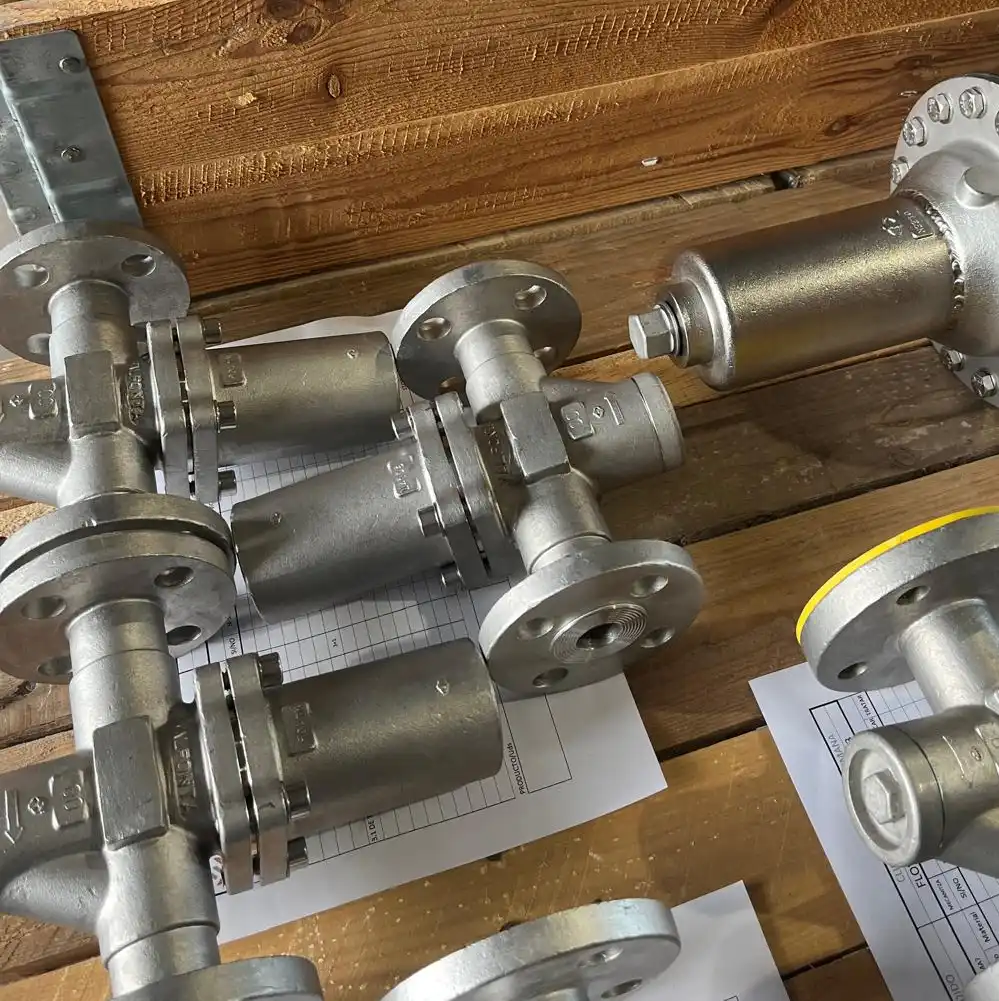 Pressure reducing valves
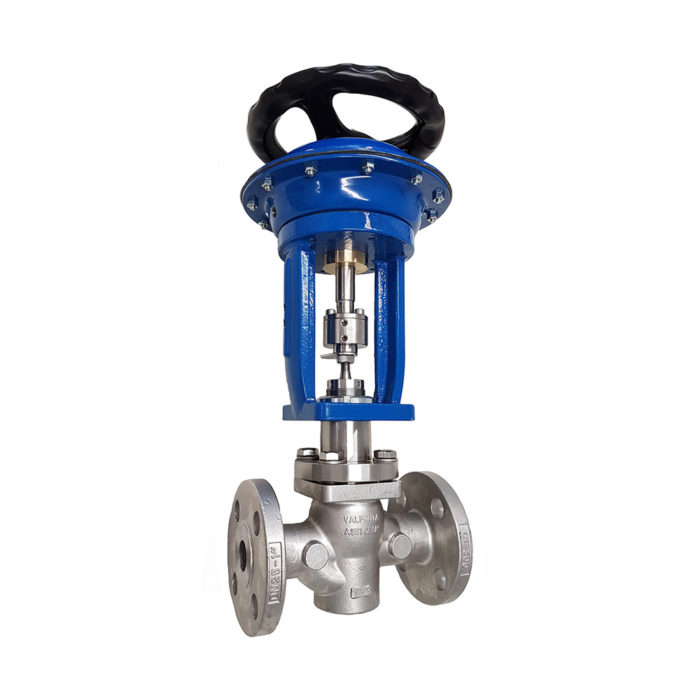 C1 control valve
Related articles
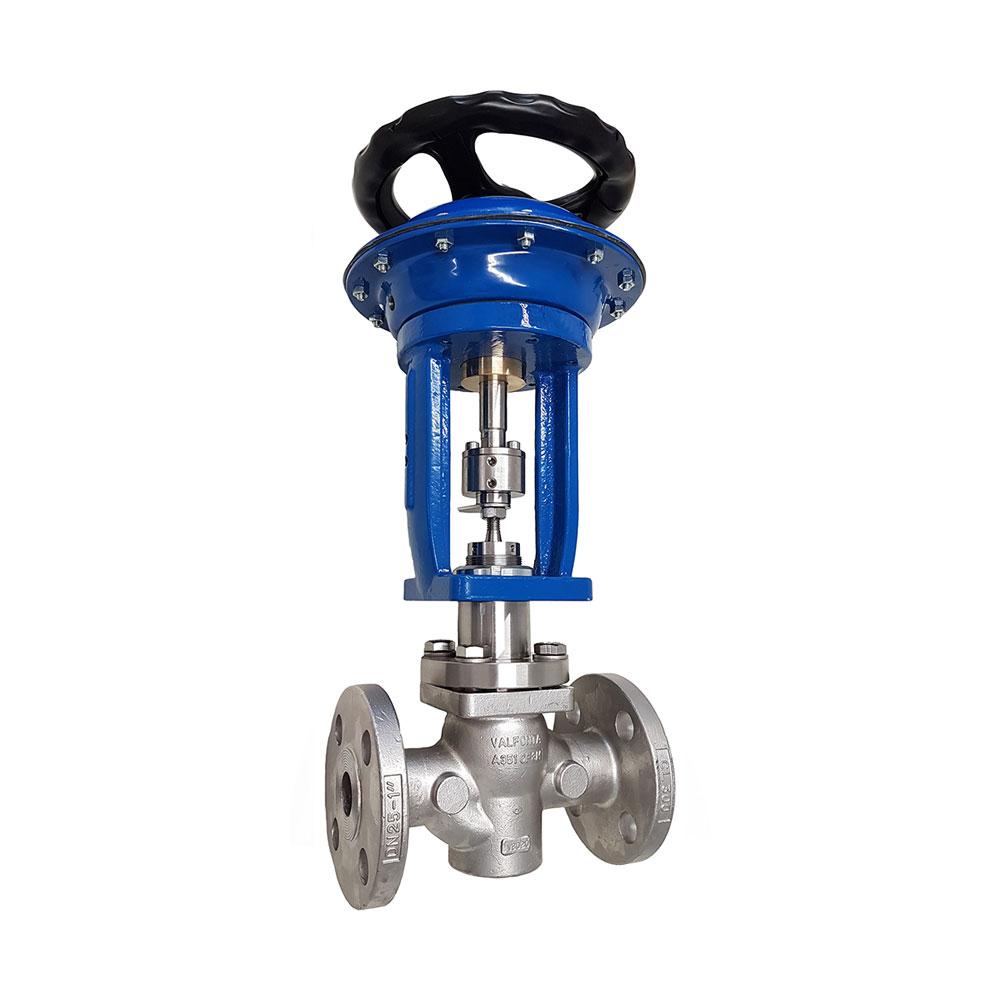

Can we help with your installation?
Tell us the fluid, the inlet and outlet pressures, the temperature, and the flow rate, and we will recommend the right valve.
You can also call 933 720 888 or email valfonta@valfonta.com.