


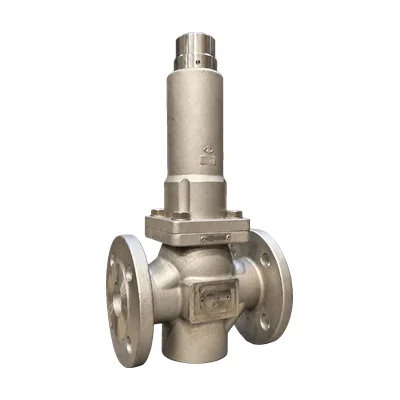

Jet ejector · Pumping and mixing
248 water and steam ejector
No moving parts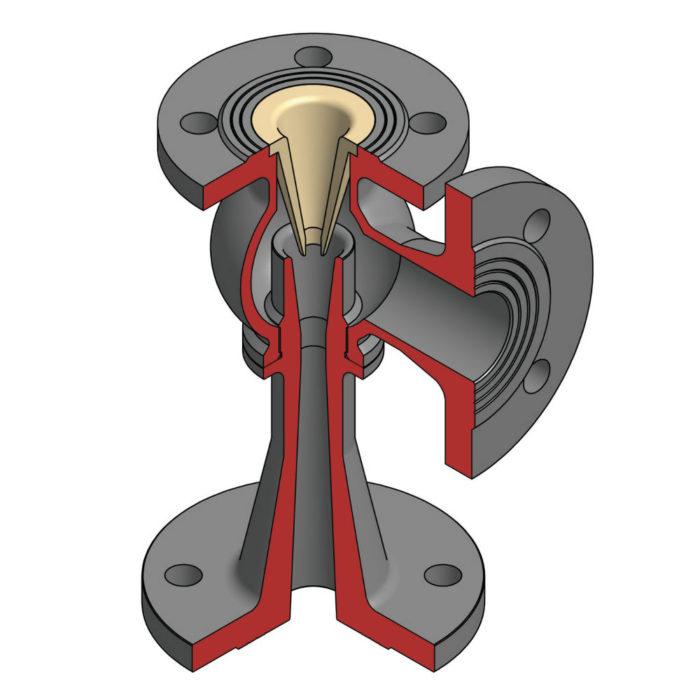
Jet ejector with no moving parts that pumps or mixes liquids, solids, or gases using the energy of a motive fluid: usually water, steam, or air. It has DIN PN16 flanges and nine sizes, from 1,200 to 72,000 l/h of mixture, rated for 16 barg at 200 °C.
- Flow rate1,200 to 72,000 l/h 9 sizes, with motive steam at 4 bar
- ConnectionDIN PN16 flanges
- SizesDN15 to DN125
- Pressure and temperature16 barg at 200 °C
- Motive fluidWater, steam, or air
- Suctionup to 6.5 m not submerged
Questions about selection? Call 933 720 888 or email valfonta@valfonta.com.
- No moving parts: less noise and vibration
- Maintenance-free
- Performance simulator based on test data
- Valfonta, Badalona, since 1962
What the 248 ejector is used for
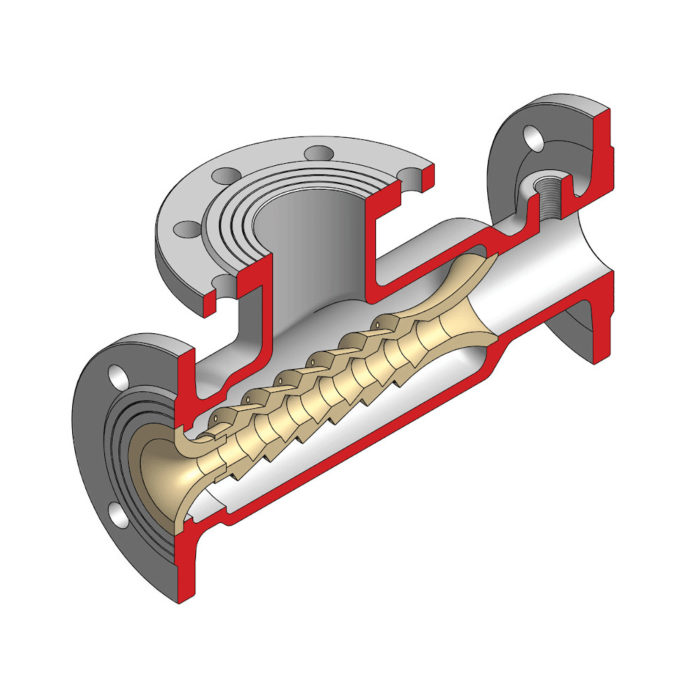
The 248 is a steam and liquid ejector: a jet of pressurized motive fluid creates a vacuum that draws in the product and drives it, already mixed, toward the discharge. It is used where installing a mechanical pump is difficult.
Because it has no moving parts, it reduces noise and vibration and requires no maintenance. In our article on steam jet ejectors, we explain how they work and where they are used.
- Pump primingAn alternative when a self-priming pump is not available.
- Water treatmentDrawing a liquid from a tank to add it to the main pipeline.
- Adding solidsPumping and mixing solids such as cement, common salt, or gels, and preparing chemical solutions.
- Process industryChemical, paper, soap, beer, and alcohol plants, and dye works.
- ShipsUse as a bilge pump.
248 ejector technical specifications
| Type | Liquid and steam jet ejector, with no moving parts, for pumping or mixing |
|---|---|
| Motive fluid | Liquid (usually water) or gas (usually steam or air) |
| Sizes | 9 sizes, from 1,200 to 72,000 l/h of mixture, calculated with motive steam at 4 bar |
| Connections | DIN PN16 flanges as standard: motive from DN15 to DN80; suction and discharge from DN20 to DN125. Other connections on request |
| Pressure rating | PN16 and PN25 body |
| Maximum pressure and temperature | 16 barg at 200 °C |
| Body material | WCB carbon steel · RG10 bronze · A351 CF3M stainless steel |
| Nozzle material | A351 CF3M stainless steel · RG10 bronze · Monel |
| Suction, submerged | Up to 2 m with cold water; with steam at 5 barg, it lifts up to 38 m |
| Suction, not submerged | Up to 6.5 m suction lift and 5 to 12 m discharge head, depending on steam pressure |
| Maintenance | None, as it has no moving parts |
Sizes and dimensions
| No. | Mixture (l/h) | A | B | C | D | E | F | G | H |
|---|---|---|---|---|---|---|---|---|---|
| 1 | 1.200 | 15 | 95 | 20 | 105 | 45 | 85 | 80 | 130 |
| 2 | 2.400 | 20 | 105 | 25 | 115 | 50 | 140 | 85 | 190 |
| 3 | 4.800 | 25 | 115 | 32 | 140 | 55 | 145 | 90 | 200 |
| 4 | 7.500 | 32 | 140 | 40 | 150 | 65 | 175 | 110 | 240 |
| 5 | 9.500 | 40 | 150 | 50 | 165 | 75 | 215 | 110 | 290 |
| 6 | 15.000 | 40 | 150 | 50 | 165 | 75 | 215 | 110 | 290 |
| 7 | 18.000 | 50 | 165 | 65 | 185 | 85 | 305 | 110 | 390 |
| 8 | 35.000 | 65 | 185 | 80 | 200 | 95 | 415 | 140 | 510 |
| 9 | 72.000 | 80 | 200 | 125 | 250 | 115 | 432 | 145 | 547 |
Dimensions in millimeters. A and B: bore and flange of the motive connection; C and D: bore and flange of the suction and discharge; E to H: drawing dimensions.
How the 248 ejector works
- Motive fluid inlet. Pressurized water, steam, or air leaves the conical nozzle at high velocity.
- Suction. The jet creates a vacuum in the mixing chamber that draws in the product (liquid, gas, or solid).
- Mixing and discharge. The two fluids mix, recover pressure in the diffuser, and leave through the discharge.
248 ejector installation
The 248 can be installed in several configurations. The datasheet shows these three common layouts.
Installation diagrams
- Pump priming. With a non-self-priming pump, the ejector is connected to its supply line; the motive fluid produces suction and the pump starts working.
- Water treatment. With motive fluid taken from the pump discharge, the ejector draws the liquid from a tank and adds it to the main pipeline upstream of the pump.
- Adding solids. The solid is fed from a container above the suction; the liquid motive fluid carries it along and mixes it in the discharge.
The datasheet diagrams include a valve in the motive fluid line to control ejector operation.
248 ejector technical documentation
The 248 compared with other Valfonta ejectors and injectors
Models 248 and 250 pump or mix; the 260 and 280 heat liquids with steam.
| Model | Function | Motive fluid | Fluid drawn in or heated | Connection and sizes | Body material | Max. P and T |
|---|---|---|---|---|---|---|
| 248 | Pump and mix | Water, steam, or air | Liquids, solids, or gases | PN16 flanges · DN15–125 | WCB, bronze, or CF3M | 16 barg / 200 °C |
| 250 | Lift liquids | Dry steam or water | Cold, hot, or viscous liquids | BSP thread 3/8″–1½″ | Bronze or 316 stainless | 16 barg / 200 °C |
| 260 | Heat a tank (at the bottom) | Steam | Tank liquid, up to 90 °C | R ½″–1½″ thread · DN15–40 | 316 stainless | 16 barg / 200 °C |
| 280 | Heat liquid in-line | Steam | Circulating liquid | PN16 flanges · 25–125 mm ports | WCB or CF3M | 16 barg / 200 °C |
Data from each model’s datasheet. Models 260 and 280 are grouped under liquid and steam injectors.
Frequently asked questions about the 248 ejector
What motive fluid can the 248 ejector use?
A liquid, usually water, or a gas, usually steam or air. The flow rates in the dimensions table were calculated with motive steam at 4 bar.
What suction lift does it reach?
Submerged in the liquid, it draws a maximum of 2 m with cold water and, with steam at 5 barg, lifts up to 38 m. Not submerged, it reaches 6.5 m suction lift and 5 to 12 m discharge head, depending on steam pressure.
Can it pump solids?
Yes. The liquid motive fluid carries the solid along and mixes it in the discharge, for example cement, common salt, or gels. It can also be used to prepare chemical solutions.
What maintenance does it need?
None: it has no moving parts. For the same reason, it reduces noise and vibration.
What is the difference between the 248 and the 250?
The 248 has DIN PN16 flanges (DN15 to DN125), reaches 72,000 l/h, and handles liquids, solids, and gases. The 250 ejector is threaded (BSP from 3/8″ to 1½″), handles 1,500 to 10,000 l/h, and lifts liquids up to 6 m.
Other Valfonta ejectors and injectors
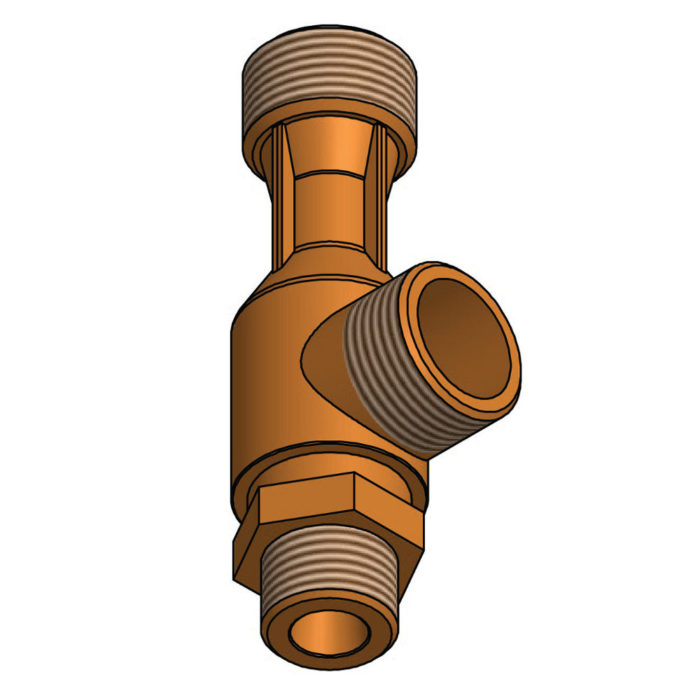 250 ejector
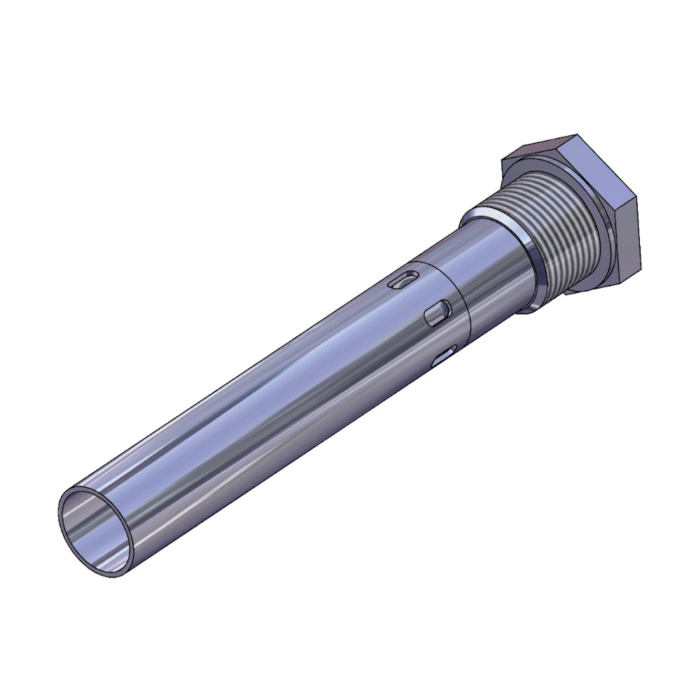 260 injector
 280 liquid heater
Request a quote for the 248 ejector
Give us your installation details and we will recommend the ejector size and materials.
- Available motive fluid and its pressure
- Product to pump or mix and its flow rate
- Suction and discharge heads
- Preferred body and nozzle material
You can also call 933 720 888.