


Custom valves: design, manufacturing, and tailored solutions for industry
Article contents
What are custom valves and when are they needed?
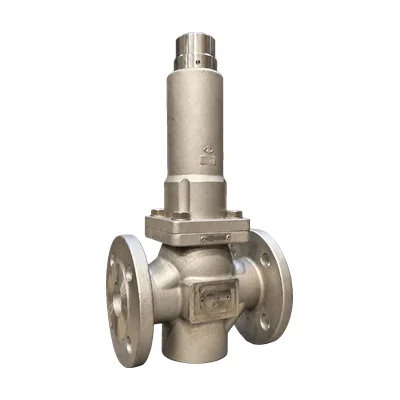
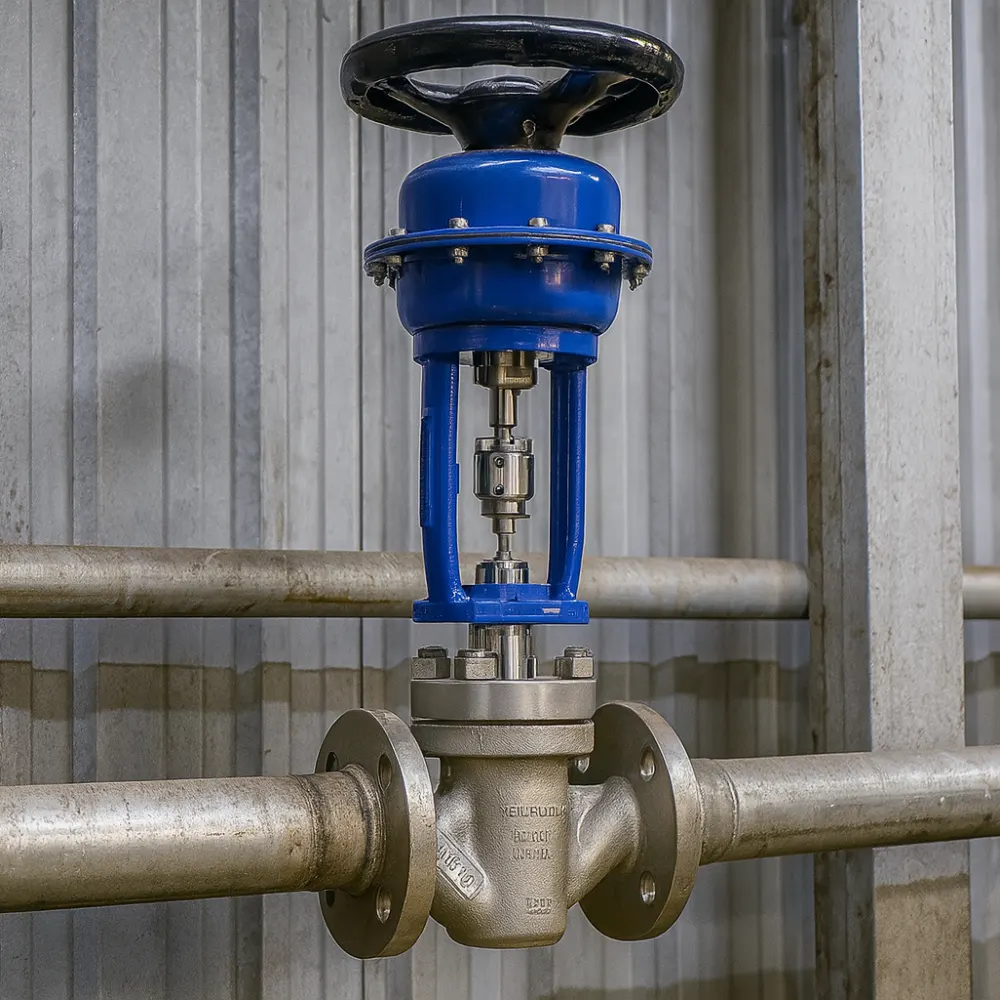
A custom valve is a fluid control unit designed and manufactured specifically for a particular use case, matching the operating principle (direct-acting, pilot-operated, modulating control), body and internals materials (stainless steels, special alloys, coatings), geometry and trim (seat, plug, Kv/Cv, leakage class), connections (DIN/ANSI flanges, thread, clamp, BW/SW), and actuation (self-operated, pneumatic, electric, or hydraulic) to the actual process data (fluid, flow, P1/P2, ΔP, T, viscosity, phase, and chemical compatibility).
The result is a certified, traceable assembly that meets regulations (PED/CE and, where applicable, ATEX) and the customer’s operating and maintenance requirements.
When a standard valve is not enough
Catalogs cover most needs, but a standard model can fall short or be oversized when:
The operating range calls for unusual pressure/temperature combinations or extreme turndown.
The fluid is corrosive/abrasive, contains solids, changes phase, or requires degreasing/aseptic service.
There is a risk of cavitation/noise or water hammer, and a special trim is needed (low-noise, anti-cavitation, reinforced guiding).
There are mechanical constraints: limited space, weight, orientation, tightening torques, piping loads.
Integrated instrumentation (positioner, travel stops, limit switches), a bypass, drains, or specific pressure tappings are required.
The environment requires ATEX (zones 1/2/21/22), sanitary grade, or additional documentation (material certificates, test records).
Typical industrial scenarios
High pressure/high temperature (superheated steam, thermal oils): selection of materials, packing, and temperature class, with trims that mitigate erosion and vibration.
Aggressive fluids (chemicals/pharmaceuticals/seawater): stainless steel/alloy bodies, hardened internals, and compatible elastomers (PTFE, EPDM, FKM).
Cavitation and noise (severe pressure reductions): multistage designs, guided cages, balanced seats, and staged ΔP control.
Limited space/skids: compact designs, specific connections, low-profile actuators.
Regulations and safety: PED/CE marking, ATEX, material traceability, hydrostatic/pneumatic tests, and plant-oriented installation and maintenance manuals.
Key benefits of a tailored solution
Greater reliability and service life: sizing by actual Kv/Cv and the right trim prevent cavitation, vibration, and leaks.
Operational efficiency: better flow/pressure/temperature control, less wasted energy, and lower OPEX.
Safety and compliance: materials and design aligned with PED/ATEX, with documented validations and tests.
Seamless integration: geometry, connections, and automation (PLC/SCADA) adapted to the installation.
Predictable maintenance: “top-entry” access where applicable, genuine kits, and longer service intervals.
In short, a custom valve protects the process, reduces costs and risks, and ensures the equipment performs exactly as the application demands, even under extreme conditions where a standard solution falls short.
How we design and manufacture custom valves, step by step
Every project starts with a technical conversation. Our team gathers the actual process data (fluid, minimum and maximum flows, inlet and outlet pressures, temperature, fluid state, and installation constraints) and validates the most likely operating and failure scenarios with the plant.
It is not just about filling out a data sheet: we cross-check P&ID diagrams, available space, the customer’s internal standards, and maintenance requirements to understand the full context in which the valve will operate.
With that operating map defined, we move on to design. We select the most suitable operating principle (self-operated, modulating control with pneumatic actuator, pilot-operated solutions), size by Kv/Cv, and establish the trim architecture to prevent cavitation, erosion, or noise.
In parallel, we choose body and internals materials based on chemical and thermal compatibility: stainless steels, special alloys, or coatings; packing and metal or soft seats according to the required leakage class; and connections that make integration easy (DIN/ANSI flanges, BSP/NPT threads, sanitary clamp, BW/SW). The goal is for the valve not only to comply, but to fit naturally into the existing system.
Before manufacturing, we verify the design through calculation and simulation. We analyze the pressure drop across the entire flow range, check the dynamic response to disturbances, and review noise levels and cavitation risk at the most demanding points. This stage lets us fine-tune geometries, plug travel, and adjusting springs to ensure stability and accuracy from day one.
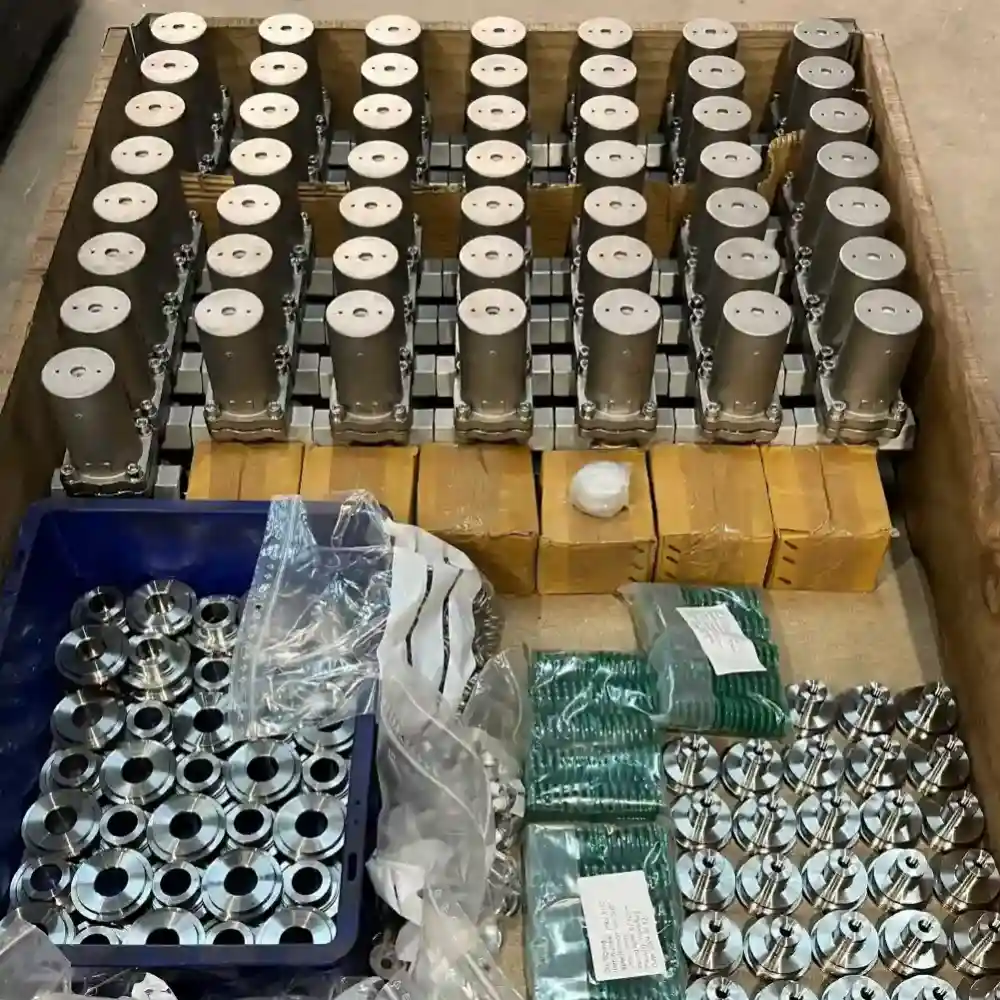
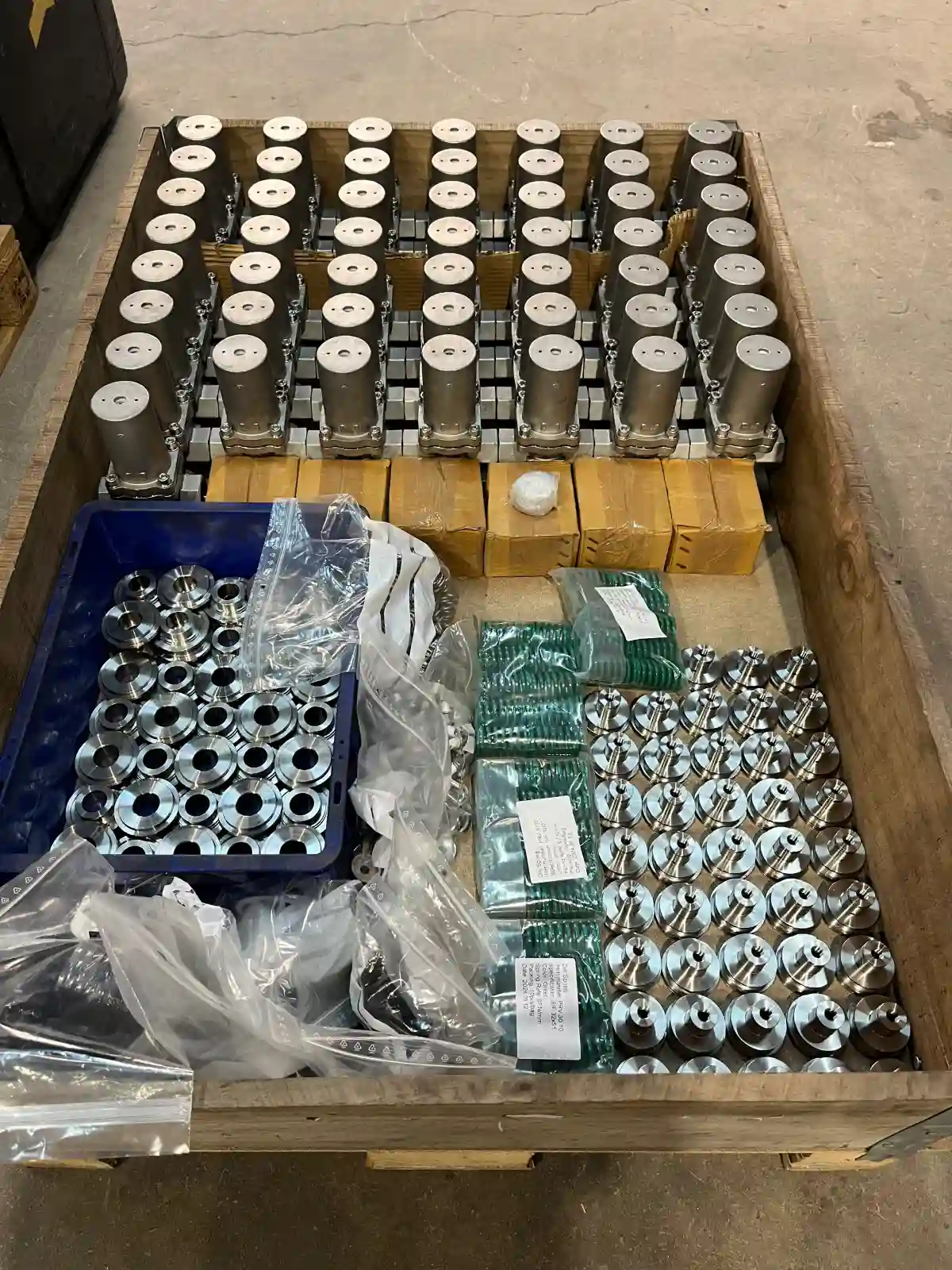
Manufacturing is carried out under certified procedures, with full material traceability. We machine and assemble to tight tolerances, and every valve undergoes functional and tightness tests in accordance with European regulations (PED/CE) and, where applicable, ATEX requirements. If the project calls for it, we perform additional actuation tests, curve characterization, and specific validations agreed with the customer.
We always deliver with clear technical documentation: specification sheet, drawings, material certificates, test protocols, and an installation, operation, and maintenance manual. After delivery, we provide close after-sales support. We assist with start-up, answer installation questions, and offer spare parts kits and preventive maintenance plans to maximize plant availability.
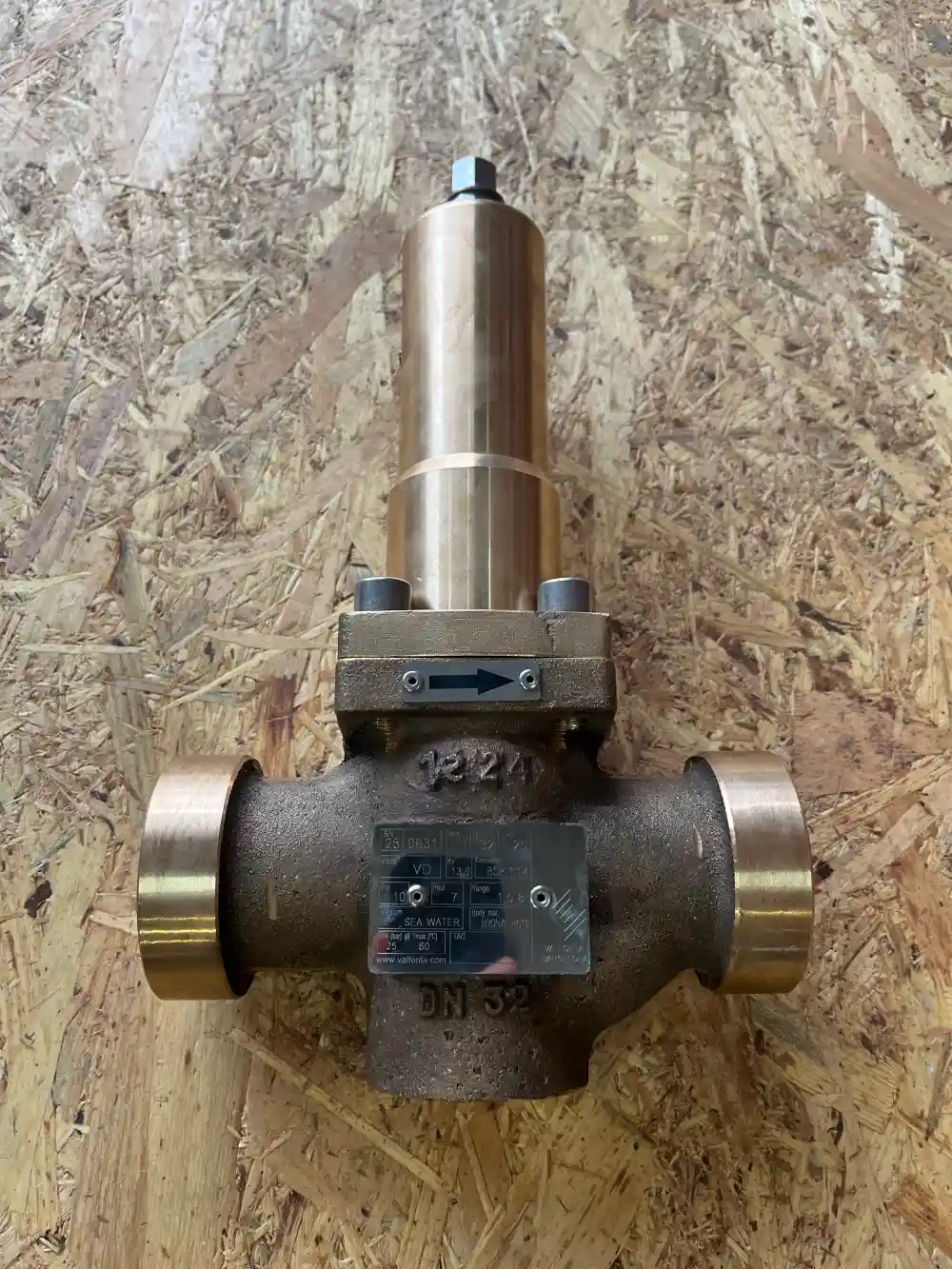
Configurable variables
| Variable | Typical options/criteria |
|---|---|
| Pressure / Temperature | Design P1/P2/ΔP; -40 °C to >350 °C depending on materials and service |
| Flow (Q) / Kv–Cv | Sized for the Qmin–Qmax range and critical conditions |
| Fluid | Water, steam, air/inert gases, chemicals, hydrocarbons, sanitary fluids |
| Body/internals materials | AISI 316/CF3M stainless, WCB carbon steel, superalloys, coatings |
| Seat / Leakage class | Metal-to-metal or soft (PTFE, EPDM, FKM); class according to application |
| Actuation | Self-operated, pneumatic (with positioner), electric, hydraulic |
| Connections | DIN/ANSI flanged, BSP/NPT, clamp, BW/SW |
| Regulatory compliance | PED/CE, ATEX (zones 1/2/21/22), documentation and testing |
At Valfonta, we offer a broad catalog of valves for industrial systems
In addition to developing tailored solutions, at Valfonta we offer a complete range of products for fluid control and safety: pressure reducing valves (direct-acting and balanced), pressure relief and excess pressure valves, control valves with pneumatic actuator for on/off or modulating service, as well as steam and liquid injectors and ejectors. This breadth allows us to cover everything from auxiliary applications to critical processes with demanding precision, reliability, and traceability requirements.
Our work is built on a continuous innovation approach: materials and trims optimized against cavitation and noise, easy-maintenance designs (top-entry access where applicable), instrumentation that integrates with PLC/SCADA, and manufacturing with certified traceability. We operate under quality and sustainability criteria, prioritizing energy efficiency, service life, and waste reduction, and complying with European regulations (PED/CE and, where applicable, ATEX).
We believe in collaborative engineering: we size by Kv/Cv from actual process data, validate chemical and thermal compatibility, and adapt connections, actuators, and leakage classes to the plant standard. The result is stable performance, lower OPEX, and shorter shutdowns, thanks to genuine spare parts and preventive maintenance plans.
Can we help you define the optimal solution for your installation? Contact our technical team: we will analyze your case and propose a valve (standard or custom) that maximizes safety, efficiency, and availability.
Related valves
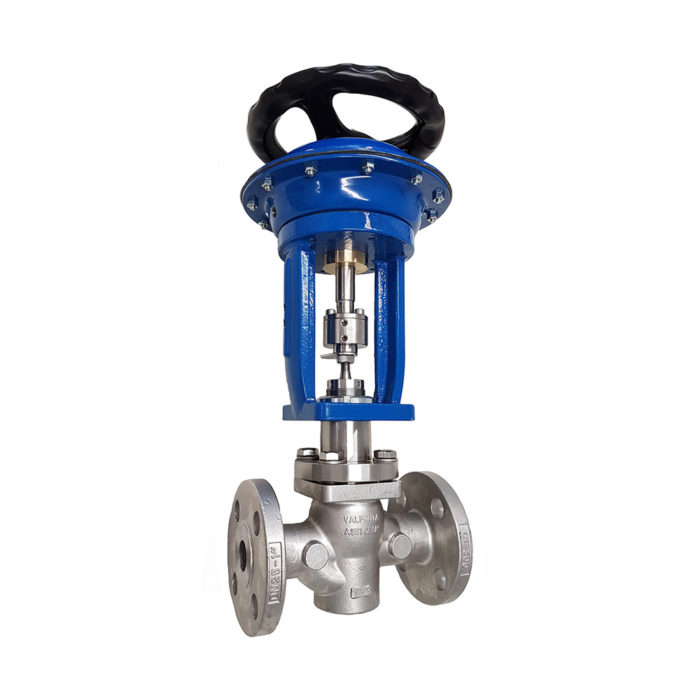 C1 control valve
Related articles
Can we help with your installation?
Tell us the fluid, the inlet and outlet pressures, the temperature, and the flow rate, and we will recommend the right valve.
You can also call 933 720 888 or email valfonta@valfonta.com.