


Basic knowledge for designing a pressure valve
Article contents
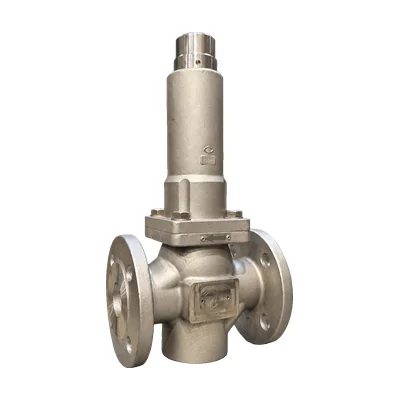
At Valfonta, manufacturing pressure reducing valves is a specialty in which we have years of accumulated experience, allowing us to guarantee the superior quality of our products. We are committed to offering custom solutions tailored to each customer’s needs, working with a wide range of fluids, including steam, liquids, and gases.
Steps for designing a pressure valve
Selecting the Right Material
The choice of valve body material is fundamental and must be based on the nature of the fluid, corrosion resistance, and the required durability.
Pressure and Temperature Limits
It is essential to determine the normal operating ranges, as well as the maximum pressure and temperature limits that the valve can withstand without compromising its integrity or performance.
Dimensions and Flow Capacity
The size of the valve and its flow capacity must be appropriate for the system in which it will be installed, ensuring that it can efficiently handle the expected volume of fluid.
Temperature Ranges
The valve must be able to operate efficiently within the temperature limits of the process for which it was designed.
Leakage Rate Evaluation
It is important to consider the allowable leakage rate to ensure that the valve meets safety and efficiency standards
Pressure Drop Analysis
Understanding the circumstances in which the valve will lose pressure and determining the exact moment at which it must close to maintain system efficiency.
Knowledge of the Piping System
A thorough understanding of the piping system into which the valve will be integrated is crucial to ensure optimal compatibility and performance.
Durability and Cost
The design must balance long-term durability with an acceptable cost, always seeking the best return on investment for the customer.

Concepts to keep in mind when designing a pressure valve
To design a pressure valve properly, it is important to determine what the purpose of the valve in question will be. To do this, it is essential to know all the existing valve types:
Gate valve: used to shut off or open the passage of a fluid, usually a liquid. Their bidirectional design allows them to be installed in either direction. It is essential that these valves be fully open or fully closed, since a failure of the gate can destroy the valve. They are in turn classified into three types, according to the wedge or disc they require: solid, flexible, and resilient.
Ball valve: these valves are also bidirectional and are used in industries with smaller sizes. The valves have a double ring, placed one at each end of the ball, providing greater safety. They are in turn classified as floating ball and trunnion-mounted ball (Trunnion), depending on the required applications.
Butterfly valves: these are the most widely used due to their versatility, and they work as an on/off valve. They are classified according to how the centers of their main parts converge: disc, body, stem, and seat
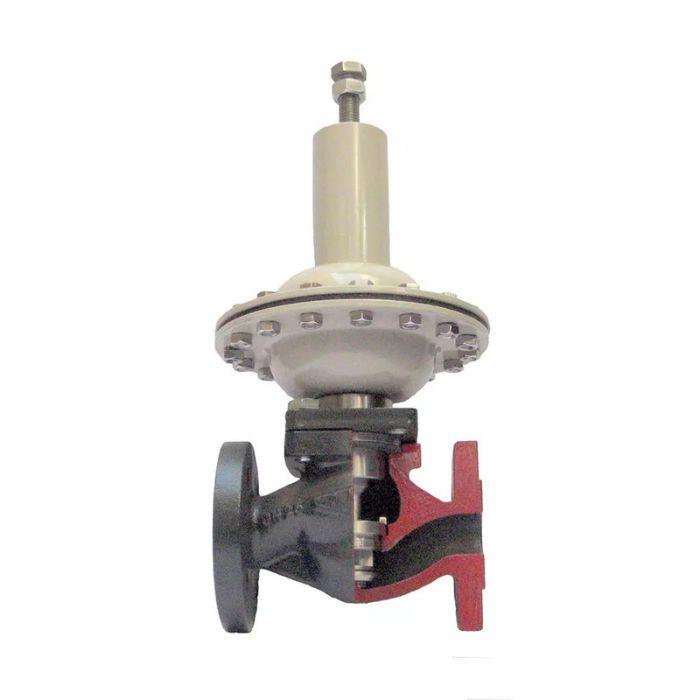
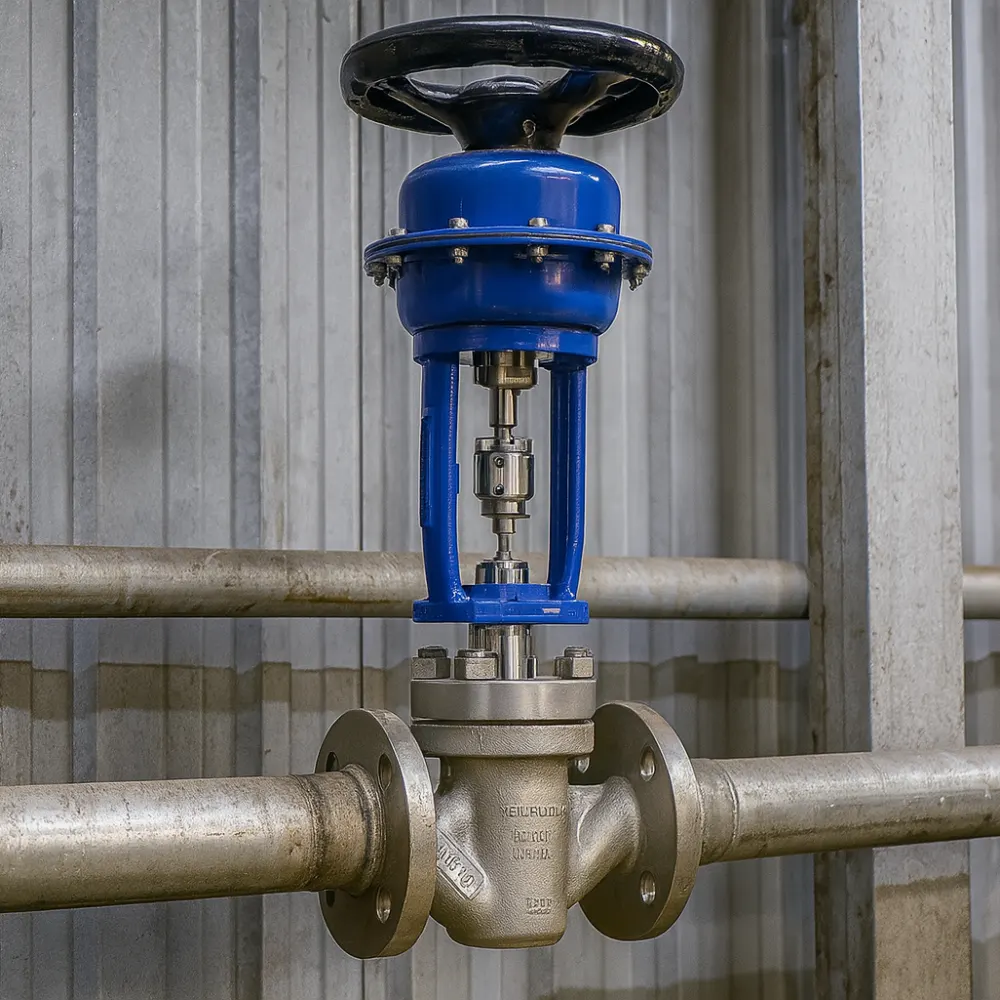
Globe valve: its unidirectional design allows it mainly to regulate pressure. These valves are also classified by how they are actuated: manual, automated, and self-regulating.

European regulations for designing pressure valves
To begin with, it should be noted that the regulations in America (ANSI) are not the same as those we have in Europe (EN). Accordingly, we will cover everything related to the European regulations.
The Pressure Equipment Directive currently in force is 2014/68/EU, which replaced 97/23/EC and has applied since July 19, 2016 (in Spain, Royal Decree 709/2015). It sets out the minimum requirements for the design, manufacture, and conformity assessment of all equipment subject to a maximum allowable pressure PS above 0.5 barg 1.
On the other hand, it is essential to know what type of medium will pass through the valve (steam, liquid, or gas). It should also be noted that these media have been classified into two clearly distinct fluid groups. Group 1 covers hazardous fluids such as explosive, toxic, or oxidizing fluids. Group 2 includes all other, less harmful fluids.
For any questions or clarifications, contact our sales department
If you have questions or need further clarification, our sales team is always available to provide the assistance you need.
In engineering and industrial manufacturing, a precise understanding of technical terms and specifications is crucial. We are aware that, given the complexity and specialized vocabulary of our industry, it can be challenging to understand exactly what is needed and what is being purchased.
At Valfonta, we not only strive to produce valves of the highest quality, but we are also dedicated to offering our customers complete, personalized advice.
If you need help designing a pressure valve that perfectly suits your needs, simply fill out our form. Once we receive your request, we will contact you as soon as possible to offer detailed, personalized guidance, making sure you understand every aspect of the product you are selecting.
Related valves
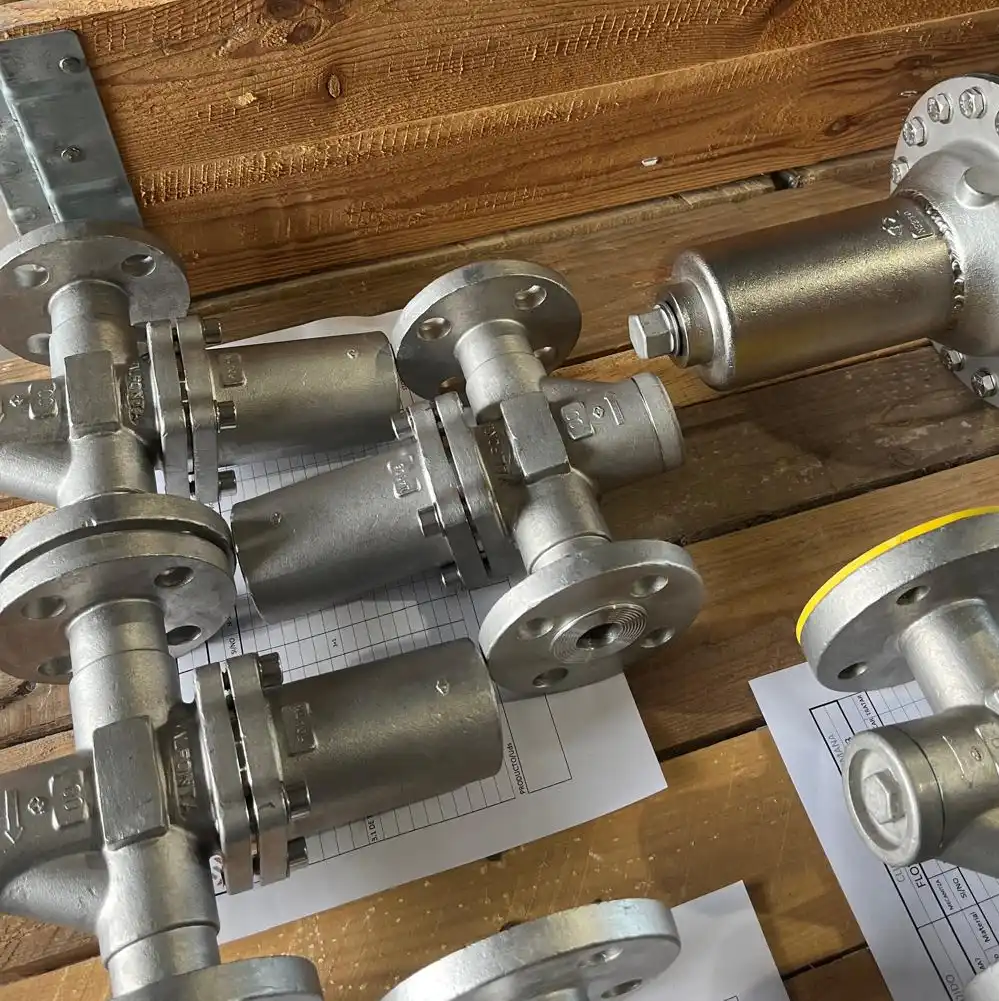 Pressure reducing valves
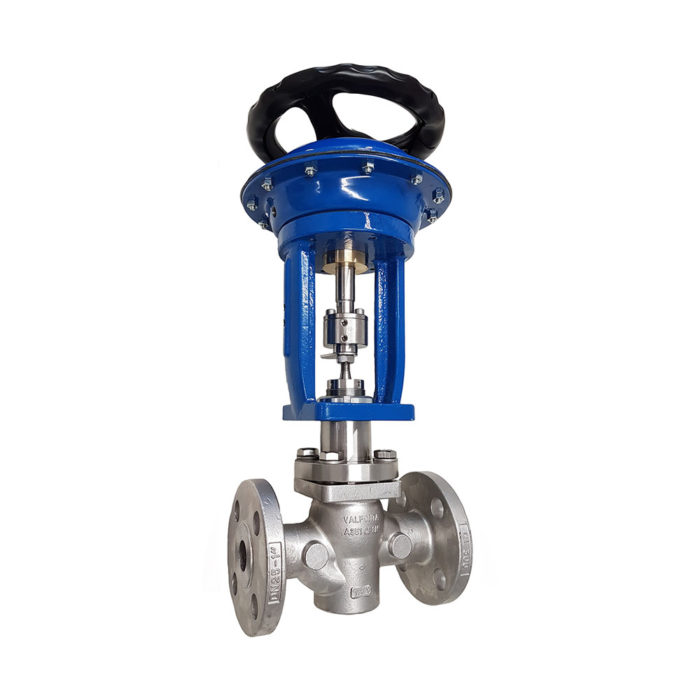 C1 control valve
Related articles
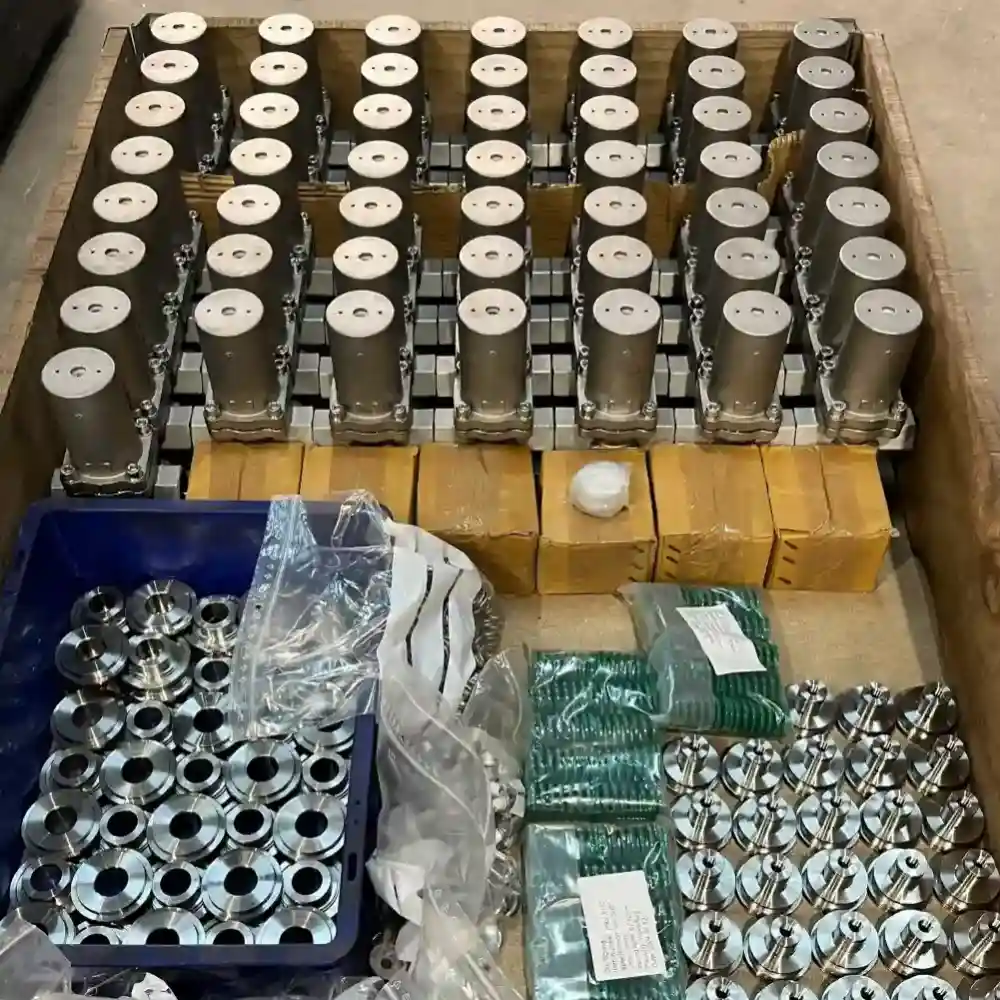
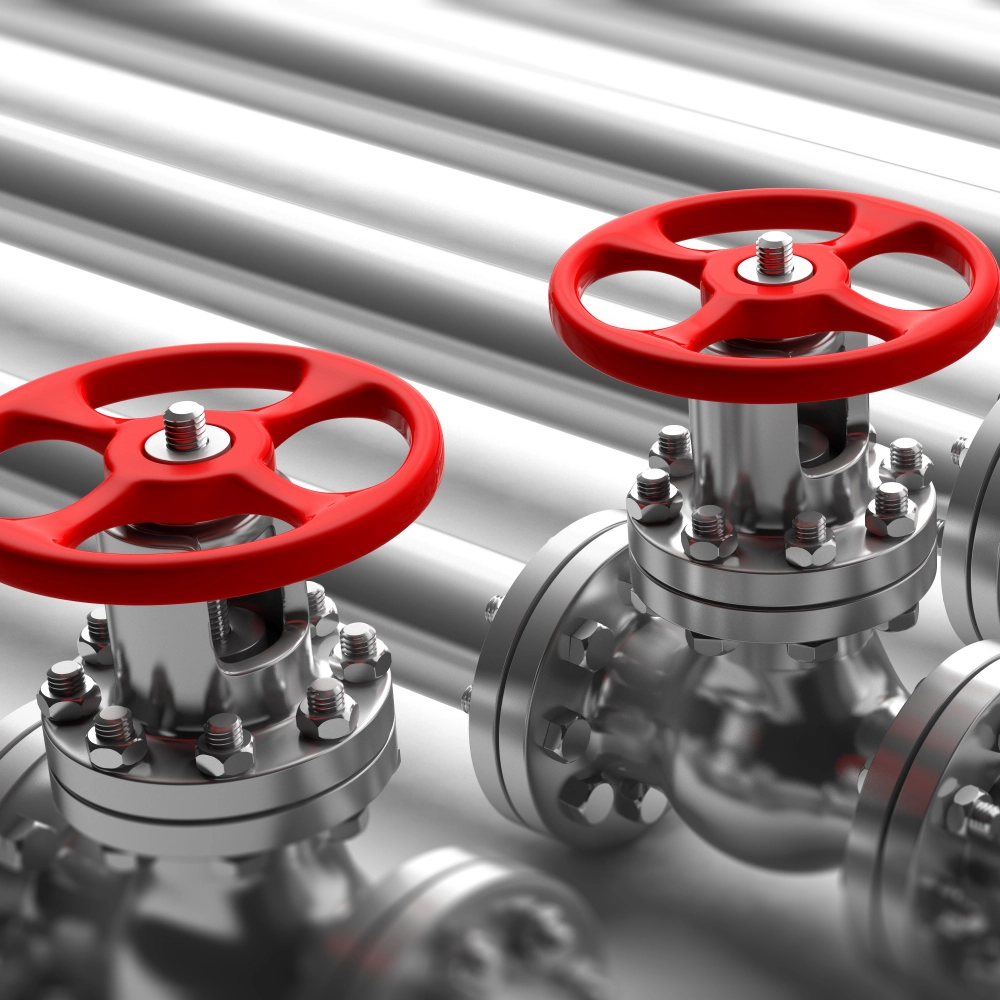
Can we help with your installation?
Tell us the fluid, the inlet and outlet pressures, the temperature, and the flow rate, and we will recommend the right valve.
You can also call 933 720 888 or email valfonta@valfonta.com.