


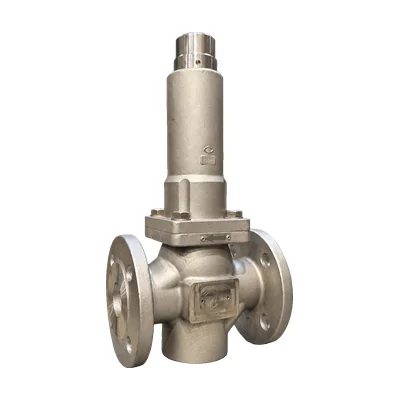

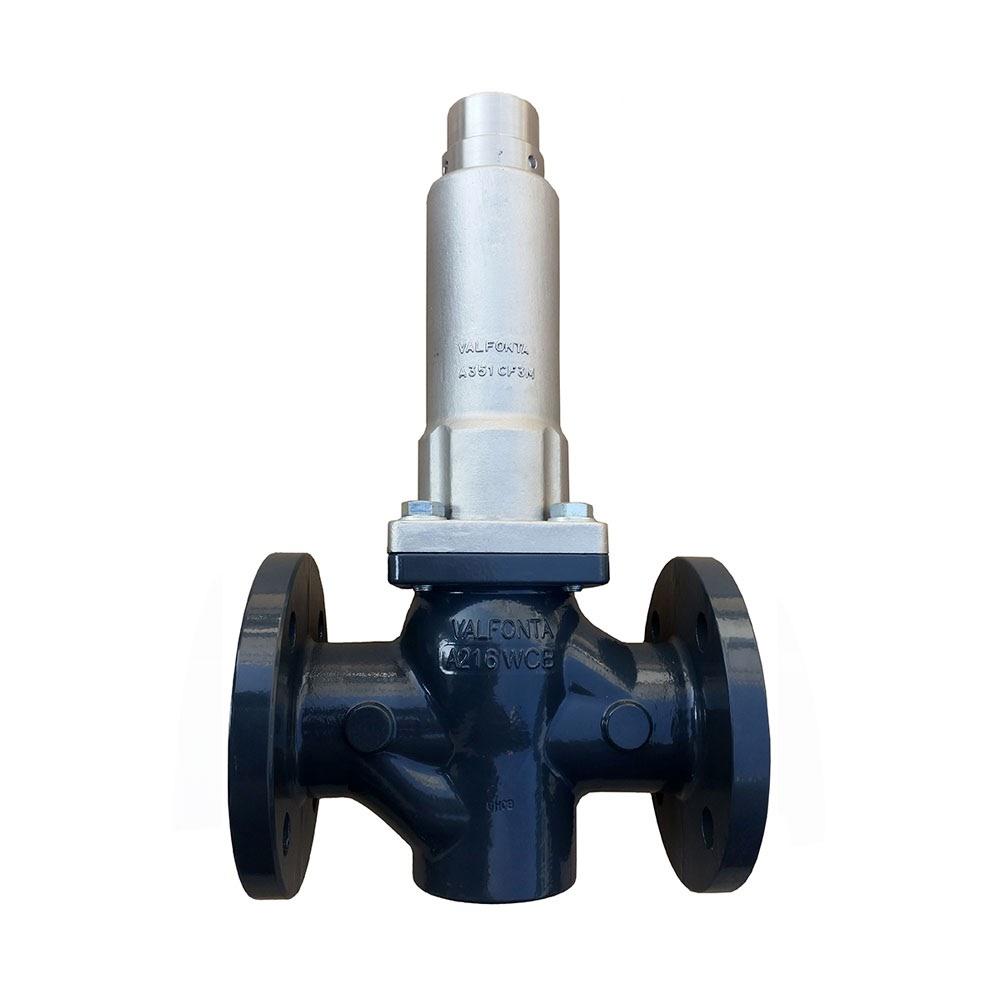
Discover Valfonta’s S3 hydraulic pressure relief valve

Article contents
This hydraulic pressure relief valve will help us control upstream pressure
At Valfonta we offer a broad catalog of valves of all kinds: pressure relief valves, control valves, hydraulic pressure control valves… covering a wide range of possible applications.
In this post, we want to tell you more specifically about the S3 hydraulic pressure relief valve, a component that correctly holds the upstream set pressure by adjusting the set pressure. If the inlet pressure exceeds the set value, the valve opens gradually in response to that pressure rise.
Features of Valfonta’s S3 hydraulic pressure relief valve
Valfonta’s S3 hydraulic pressure relief valve is an effective and reliable solution for regulating and maintaining safe pressures in hydraulic systems. Built from high-quality materials such as bronze, carbon steel, and stainless steel, the S3 valve can withstand a variety of operating conditions, ensuring its durability and performance.
This relief valve model features a Class IV (metal-to-metal) or Class VI (PTFE+GR seat) leakage class, giving it the flexibility to suit different applications and sealing requirements. Its set pressure range runs from 0.5 to 20 bar, allowing it to be used in a variety of environments and applications.
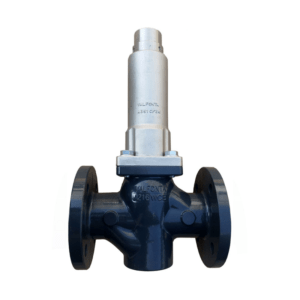
The S3 valve operates efficiently at temperatures from -10 to 220ºC in materials 0.7043 and 1.0619, and from -30 to 220ºC in 1.4408. With special gaskets, it can handle temperatures up to 250ºC.
Meeting strict quality and safety standards, the S3 hydraulic pressure relief valve complies with ISO 9001, the Pressure Equipment Directive 2014/68/EU, and the ATEX Directive 2014/34/EU. These certifications not only ensure its quality and reliability, but also guarantee its suitability for use in regulated and demanding environments.
Direct operation of the S3 valve
The operation of the S3 valve is direct and efficient. Its main purpose is to hold the preset upstream pressure by automatically adjusting the set pressure. If the inlet pressure exceeds the set value, the valve opens gradually to relieve the excess pressure, thus preventing possible damage to the system.
It is important to stress that the S3 valve is not a safety valve. Therefore, additional overpressure protection must be installed in the system. This valve is versatile and suitable for applications with steam, gases, and liquids, which broadens its range of use across different industries and processes.
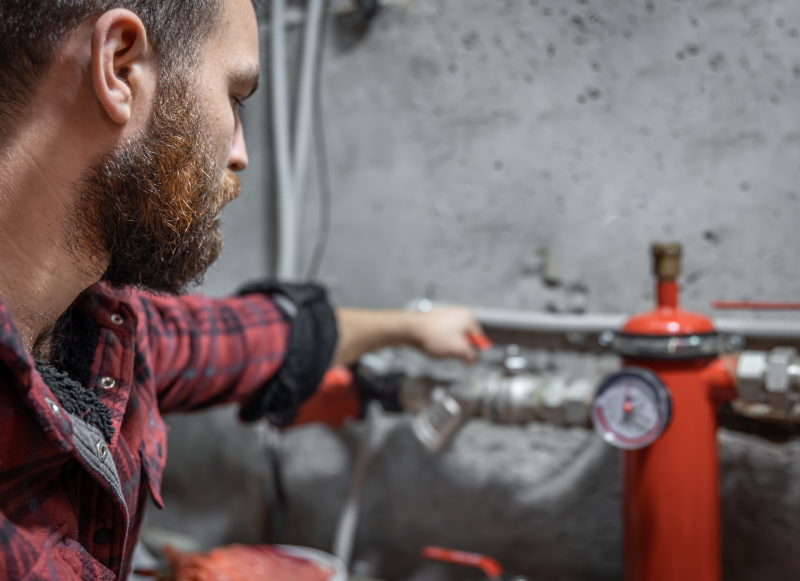
To ensure optimum operation, it is essential to protect the S3 valve against adverse influences such as dirt, moisture, and extreme temperatures. During installation, the inside of the valve must be carefully cleaned. In addition, given its complexity and the applicable regulations, installation must be carried out exclusively by specialized personnel.
Over time, it is normal for some pressure deviations to appear in the S3 valve due to continuous use, such as pressures that exceed the set point, pressure drops below the set point, control oscillations, inlet pressure fluctuations, and noise. However, these deviations are generally minor and can be corrected quickly depending on the type of problem.
In short, Valfonta’s S3 hydraulic pressure relief valve is an essential component for pressure management in hydraulic systems, offering reliability, versatility, and compliance with safety and quality standards. Its advanced design and high-quality materials ensure exceptional performance and a long service life in a wide range of industrial applications.
Installation Recommendations for the Hydraulic Pressure Relief Valve
Proper installation of the valve is key to ensuring optimum performance and extending its service life. Below are the best practices for correctly installing the S3 model:
Clean the pipe beforehand:
Before installing the valve, it is essential to thoroughly clean the system to remove debris, impurities, or particles that could clog or damage the valve.
Horizontal installation:
The valve should preferably be installed in horizontal piping to ensure efficient operation. The flow direction must match the arrow marked on the valve body.
Use protective strainers:
To prevent possible damage from particles, installing a strainer at the valve inlet is recommended. This ensures that the fluid arrives clean and free of obstructions.
Supports close to the valve:
System supports should be placed as close as possible to the valve, but without being fastened directly to the body or the actuator. This helps avoid unnecessary stress or vibration.
Gradual start-up:
During start-up, it is important to open the shutoff valves slowly to avoid water hammer that could damage the valve and the system. Once in operation, the desired pressure is set with the adjusting screw.
Preventive Maintenance of the S3 Valve
Regular maintenance of the hydraulic pressure relief valve is essential to ensure its reliability and extend its service life. Here are some key recommendations:
Protection against external influences:
The valve must be protected from adverse conditions such as dirt, moisture, and extreme temperatures that could compromise its performance.
Periodic inspections:
Regular checks are recommended to detect possible deviations in the set pressure, leaks, or buildup of debris.
Internal cleaning:
Over time, the buildup of particles or impurities can affect valve operation. The inside must be cleaned carefully and only by specialized personnel.
Pressure readjustment:
In the event of deviations such as pressures that exceed or fall below the set point, it is important to correct the adjusting screw to restore the preset values.
Related valves
Related articles
Can we help with your installation?
Tell us the fluid, the inlet and outlet pressures, the temperature, and the flow rate, and we will recommend the right valve.
You can also call 933 720 888 or email valfonta@valfonta.com.