


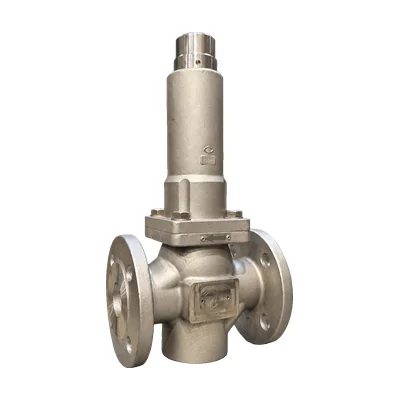

Steam and liquid injectors for a wide range of systems and installations
Article contents
Main function of a steam jet injector
At Valfonta we have two different steam injector models, the 260 model and the 280 model. Their in-plant applications are explained in our article on industrial steam injectors.
We will start by showing the function and features of the 260; but first… what is the function of these components?
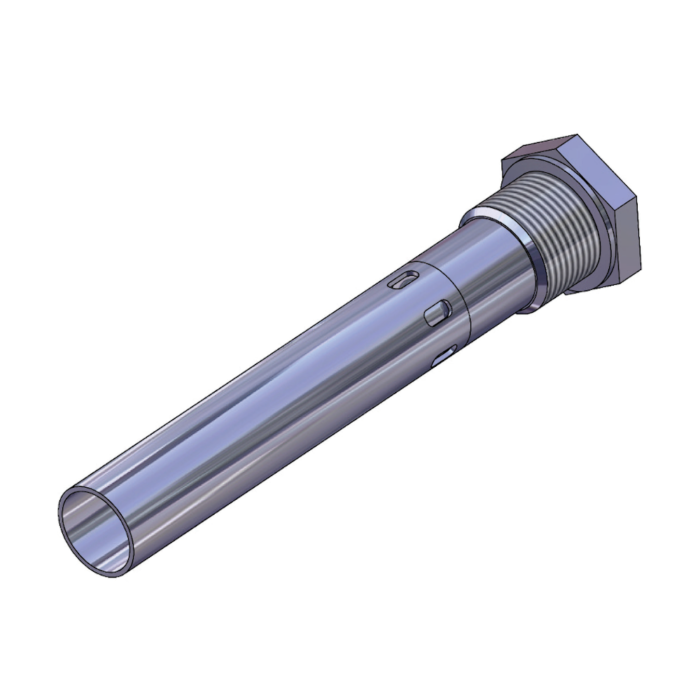
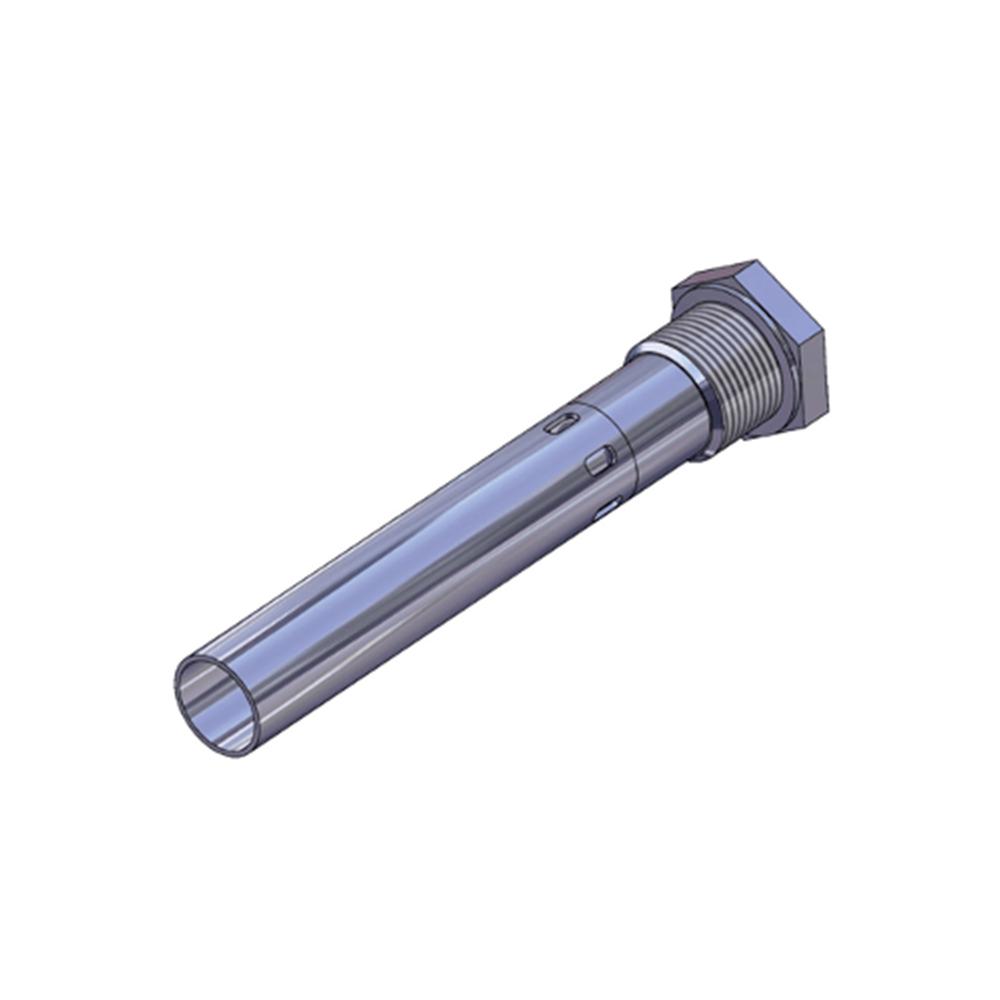
Steam injectors are used to raise the temperature of any liquid. Essentially, steam injection draws the liquid to be heated in through the holes in the tube, allowing it to mix with the steam to achieve the required temperature rise.
This creates constant recirculation inside the tank, promoting a uniform temperature throughout.
Steam injector: the VALFONTA 260 model
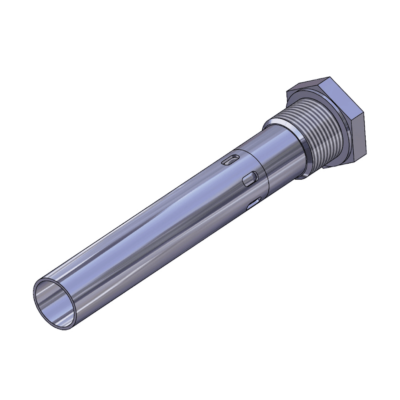
Getting down to specifics, the 260 model is one of the most common and the one we usually recommend.
It is installed horizontally and directly on the pipe; depending on the size chosen, it can also be installed on the tank wall by means of an external thread.
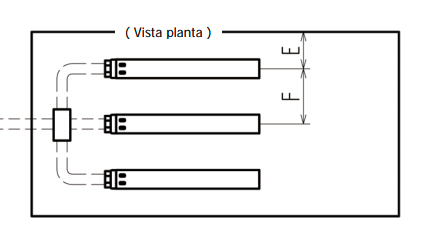
If more capacity is required, 2 or more injectors can be installed in parallel. On the other hand, we always recommend installing the injector horizontally and at the bottom of the tank.
It is important to note that no other component should be installed in the injector discharge zone. If you need the system and the injector to operate without noise or vibration, it is highly advisable to make dimension L as long as possible and to keep the injector suction holes clean.
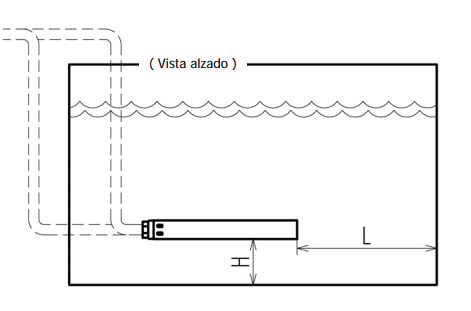
Finally, it is worth mentioning that the injector should always be centered along the length of the tank to achieve the most effective recirculation and distribution possible.
And if you want or need to install 2 or more injectors, that is not a problem, but they must also be centered, with minimum distances between the wall and the first injector and between injectors.
Steam injector: the Valfonta 280 model
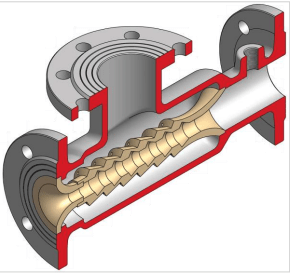
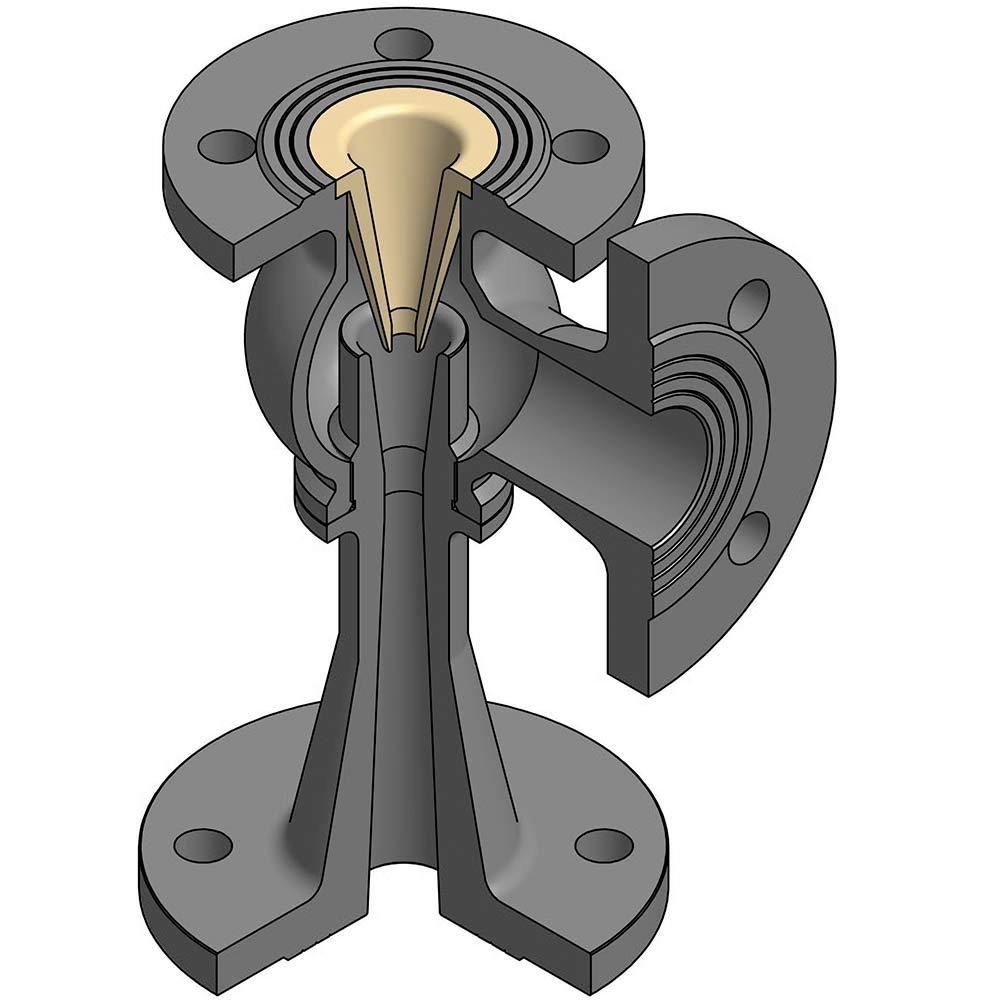
In this case, we are looking at an industrial jet heater that has a very similar function to the previous one, but with different technical characteristics.
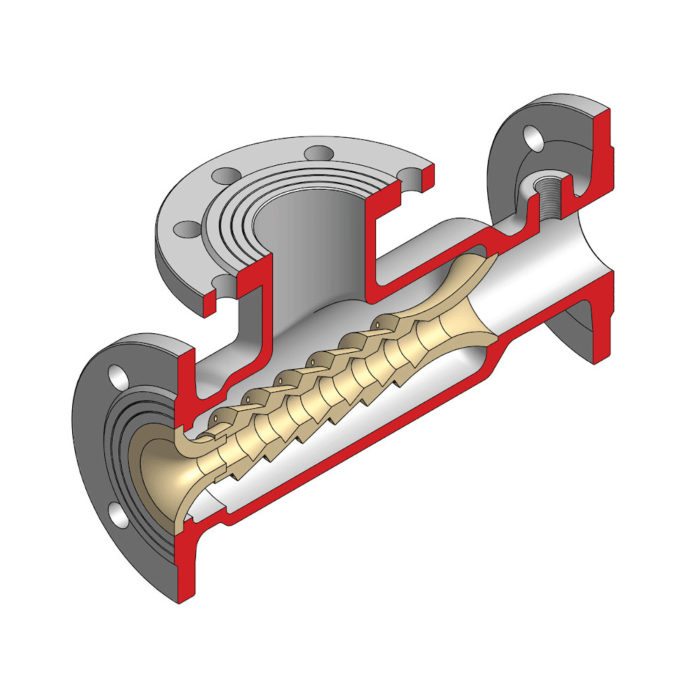
It is also designed to heat liquids, but the system of this model is slightly different: steam is injected through the upper flange and flows through small inclined holes in the nozzle, producing steam jets that propel the liquid toward a low-pressure zone, creating the turbulence needed for the liquid and the steam to mix, uniformly raising its temperature and also its pressure.
As with the previous model, this one has no moving parts either, which keeps maintenance low and prevents vibration and noise.
We usually install it in a wide variety of systems, and it can serve a great many applications in industry, such as heating water for washing barrels, tanks, or drums; they are also very common in piping installations where frost may occur; in breweries, sugar mills, and dye works, and in the chemical, cosmetics, or pharmaceutical industries…
260 or 280: comparison
| 260 injector | 280 liquid heater | |
|---|---|---|
| What it heats | The contents of a tank, with recirculation | The liquid flowing through a pipe |
| Sizes | 3: No. 1 (DN15), No. 2 (DN25), and No. 3 (DN40) | 8: No. 0 to No. 7 |
| Connection | R ½″, R 1″, and R 1½″ male thread | DIN PN16 flanges |
| Capacity | From 45 to 3,000 kg/h of steam, with steam from 2 to 16 barg | From 1,500 to 30,000 l/h of mixture |
| Steam | Up to 16 barg at 200 °C (PN25 body) | Up to 16 barg at 200 °C (PN16 body) |
| Liquid | Up to 90 °C | From 15 °C to 65–75 °C in the datasheet test |
| Materials | All 316 stainless steel | WCB carbon steel or CF3M stainless body; bronze, CF3M stainless, or Monel nozzle |
| Effect on pressure | — | Raises the outlet pressure of the liquid |
Data from the datasheets. 280 test: saturated steam at 4 bar and liquid at 1 bar.
How to choose between the 260 injector and the 280 liquid heater
- Tank or pipe? That is the first question. If you are heating the contents of a tank, the 260; if the liquid flows through a pipe, the 280.
- Final temperature. The 260 is limited to a liquid temperature of 90 °C.
- Capacity. For the 260, capacity is measured in kg/h of steam according to size and pressure; for example, at 6 barg, 115 kg/h for No. 1, 475 kg/h for No. 2, and 1,250 kg/h for No. 3. If you need more, you can install two or more in parallel. For the 280, it is measured in l/h of liquid to be heated.
- Material and connection. The 260 is threaded and made of 316 stainless; the 280 is flanged and is available in several body and nozzle materials.
What data we need to size it
For the 260: the available steam pressure, the liquid and the tank volume, the initial and final temperature (90 °C maximum), and the tank dimensions, to position the injectors. For the 280: the steam pressure, the liquid and its flow rate, the liquid inlet pressure, and the initial and final temperature.
For the 260, the steam pressure also sets the free discharge dimension L: for example, at 2 to 4 barg, 200 mm for No. 1, 250 mm for No. 2, and 300 mm for No. 3. The complete tables are in each model’s datasheet and on the liquid and steam injectors page. If you are looking for general operation and maintenance, we explain it in industrial steam injectors.
We also offer steam ejectors and all types of valves
As a result of our many years in business, we have several lines of specialization and business, including pressure reducing valves, pressure relief valves, control valves, and industrial steam ejectors.
We often even build all these components to order for each installation. We have always stood out for our 100% commitment to each customer, offering personal, attentive, and tailored service, while placing at your disposal all the knowledge of our outstanding technical team of valve and industrial engineering professionals.
Fill out the form below and we will call you right away, study the requirements of your system, and find the most suitable components. You can count on it!

Frequently asked questions
Up to what temperature does the 260 injector heat?
Up to a liquid temperature of 90 °C. The steam can be up to 16 barg and 200 °C.
Can several 260 injectors be installed in one tank?
Yes, in parallel and centered along the length of the tank, with 150 mm between the wall and the first injector and 300 mm between injectors.
Does the 280 liquid heater increase the liquid pressure?
Yes. In addition to heating it, the liquid leaves the 280 at a higher pressure than at the inlet.
Why is the injector noisy?
Check that the suction holes and the discharge are not blocked and that the steam pressure is not excessive. Do not install any component in the discharge zone, and make dimension L as long as possible.
What maintenance do they need?
Neither has moving parts. For the 260, keeping the suction holes clean is all it takes.
Related valves
 260 injector
 280 liquid heater
Related articles
Can we help with your installation?
Tell us the fluid, the inlet and outlet pressures, the temperature, and the flow rate, and we will recommend the right valve.
You can also call 933 720 888 or email valfonta@valfonta.com.