


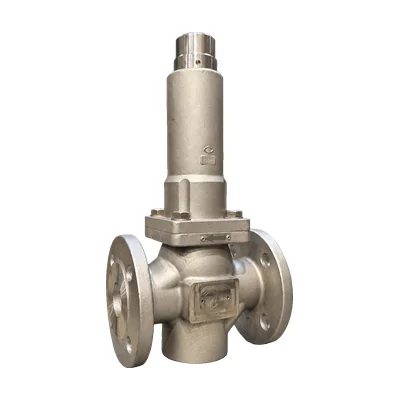

Pressure reducing valves: applications and industries where they are essential

Article contents
Pressure reducing valves are found in far more installations than we imagine: from the water supplied to a home to the steam lines of a factory. Their mission is always the same—to deliver a stable, safe pressure—but their applications are enormously varied. In this guide, we review what they are used for, in which applications and sectors they are indispensable, and which model in the Valfonta range is best suited to each case.
What a pressure reducing valve is used for
Before looking at its specific applications, it helps to understand exactly what this valve does and why it is so common.
What it is and what it does
A pressure reducing valve—also called a pressure limiting valve or pressure regulating valve—is a control valve that reduces the outlet pressure of a system and keeps it constant downstream, regardless of variations in inlet pressure or line demand.
In other words, even if the supply pressure rises or falls, the pressure reaching the protected equipment stays at the set value. That ability to regulate automatically and continuously is what makes it essential in so many installations.
Unlike a simple stop valve, which only opens or closes, the reducing valve works dynamically: when downstream consumption increases, it opens to maintain the pressure; when it decreases or stops, it closes automatically so the pressure does not rise. This behavior allows a single device to serve installations with highly variable demand throughout the day without manual intervention.
Benefits of reducing and stabilizing pressure
Reducing pressure to a suitable value brings immediate advantages: it prevents leaks, drips, and water hammer, reduces noise in the piping, extends the service life of faucets, boilers, and equipment, and lowers water and energy consumption. In industry, it also ensures that each process receives the fluid at the exact pressure it needs, which translates into higher quality, safety, and efficiency.
Maintaining preset pressure limits protects the integrity of the entire production chain. Keep in mind that excessive pressure not only wears out the installation, but also multiplies costs: the higher the pressure, the more flow is lost with each use and the more energy is consumed to heat it, so a properly adjusted reducing valve also means cost savings in the medium term.
Fluids it handles
One of the reasons for their versatility is that reducing valves can regulate a wide variety of fluids. The most common applications include:
Water and other liquids, including domestic hot water and process water.
Steam, in industrial lines, heat exchangers, and heating equipment.
Inert gases such as air, nitrogen, or other non-hazardous gases.
Compressed air, in pneumatic installations.
Oils, fuel oil, and hydrocarbons, with the appropriate materials.
The choice of body and gasket material depends precisely on the fluid, the temperature, and how aggressive the service is.
Main applications of pressure reducing valves
These are the applications where pressure reducing valves are most common, grouped by area of use.
Domestic and building applications
In homes and buildings, the pressure reducing valve protects the entire installation from the service connection pressure. Its most common uses are regulating water and gas pressure in buildings and domestic installations, protecting electric water heaters and hot water storage tanks, flow limiters, water level control, and low-pressure irrigation systems. We explain this in detail in our guide to the water pressure reducing valve.
In tall buildings, they are especially useful for compensating the static head pressure between floors, preventing apartments on the lower floors from receiving excessive pressure while the upper floors maintain an adequate supply. In addition to protecting the installation, this regulation improves comfort of use and reduces water consumption.
Industrial applications
Industry is where the reducing valve shows its full versatility, because each process demands a precise working pressure. The most common applications are:
Steam systems and heat exchangers, where the pressure must be matched to the receiving equipment to ensure correct heat transfer.
Chemical laboratories and sanitary plants and installations, which require precise regulation and compatible materials.
Compressed air and fuel oil lines, to supply pneumatic equipment and burners at a stable pressure.
Distilleries, vulcanizing cylinders and presses, ovens, and autoclaves, where pressure is a critical part of the process.
Dry cleaners, laundries, and steam irons, with variable demand throughout the working day. We explain how to protect them against overpressure in relief valves in the textile industry.
Filtration stations and line filling control, to dose the fluid precisely.
Applications by sector
By sector, pressure reducing valves are common in the food and beverage industry, chemicals and pharmaceuticals, energy and steam generation, water treatment and distribution, and healthcare. Each sector imposes different requirements—hygiene, corrosion resistance, fluid compatibility, or specific certifications—that determine the valve model and the materials chosen.
In the food and pharmaceutical industries, for example, hygiene and sanitary finishes come first; in chemicals, resistance to aggressive fluids; and in steam plants, tolerance to high temperatures. Hence the advantage of working with a manufacturer able to adapt the valve—body, gaskets, connection, and Kv coefficient—to the exact conditions of each application.
Which Valfonta pressure reducing valve to choose for each application
With more than 50 years manufacturing custom pressure reducing valves, Valfonta offers a range capable of covering virtually any domestic or industrial application. The key is to assign the right model to each fluid and service condition.
How to choose by fluid and conditions
To get the valve right, it is worth defining several parameters before deciding on the model:
Inlet pressure and desired outlet pressure, to check that they fall within the regulation range.
Flow and Kv coefficient, which determine the size and avoid pressure drops or instability.
Fluid type and temperature, which determine the body and gasket materials.
Connection type (threaded, flanged, welded, or clamp) to suit the piping.
Special requirements: oxygen service, sanitary hygiene, aggressive fluids, or certifications.
In all these cases, maintaining a stable pressure is not just a matter of efficiency: it also prevents overpressure that could damage costly equipment or compromise safety.
From there, the most suitable model is selected. In critical applications—laboratories, oxygen service, or aggressive fluids—it is advisable for the manufacturer to study the system and propose a custom solution, something that is part of the standard service at Valfonta.
Valfonta pressure reducing valve range by application
This table summarizes the Valfonta reducing valve range and its typical application, with a link to the datasheet for each model:
| Model | Type | Typical application |
|---|---|---|
| M1 reducing valve | Self-operated by diaphragm | Steam, compressed air, liquids, and non-hazardous gases |
| M2 reducing valve | Direct-acting, diaphragm | Gases (air, nitrogen), liquids, and steam; blanketing (DN15–DN100) |
| M2 bellows reducing valve | Direct-acting with bellows | Easy adjustment, installation in any position |
| PRV20 reducing valve | Self-operated by piston | Chemical laboratories, sanitary plants, sprinklers |
| PRV30 reducing valve | Direct-acting, piston (AISI 316) | Stable pressure 0.5–12 bar; O₂ and special materials |
| PRV44 reducing valve | Direct-acting with bellows | Steam and fine regulation in industry |
| PRV45 reducing valve | Direct-acting | General industrial pressure regulation |
| VD reducing valve | Self-operated | Constant downstream pressure in industry |
See all models, sizes, and datasheets in the pressure reducing valves category. If your installation also needs to protect equipment against overpressure, check out our pressure relief valves.
Frequently asked questions
What is a pressure reducing valve for?
It is used to reduce the pressure of a fluid and keep it stable downstream, protecting the installation against leaks, noise, and breakdowns, and ensuring a constant working pressure at each point of use.
Is a pressure reducing valve the same as a pressure limiting valve?
In practice, the terms are used as synonyms: “reducing,” “limiting,” and “regulating” valve all designate the valve that reduces and stabilizes the outlet pressure. It should not be confused with the relief valve, which is a safety device that only acts in the event of overpressure.
In which domestic applications is it used?
In regulating water and gas pressure in homes and buildings, protecting water heaters and storage tanks, flow limiters, water level control, and low-pressure irrigation systems.
And in industry?
In chemical laboratories, sanitary installations, steam and compressed air lines, heat exchangers, distilleries, vulcanizing presses, dry cleaners, laundries, ovens, autoclaves, and filtration stations, among others.
Which Valfonta reducing valve model should I choose for my fluid?
For steam and compressed air, the M1 or PRV44 models; for gases and liquids, the M2; for laboratories and sanitary plants, the PRV20; and for very stable pressure or special services (oxygen, special materials), the PRV30. If in doubt, our technical team will advise you.
Where is the pressure reducing valve installed?
It is installed on the inlet pipe, after the meter and the main shutoff valve, so that it protects the entire downstream installation. You can find more information in our guide on where to install a pressure reducing valve.
Related valves
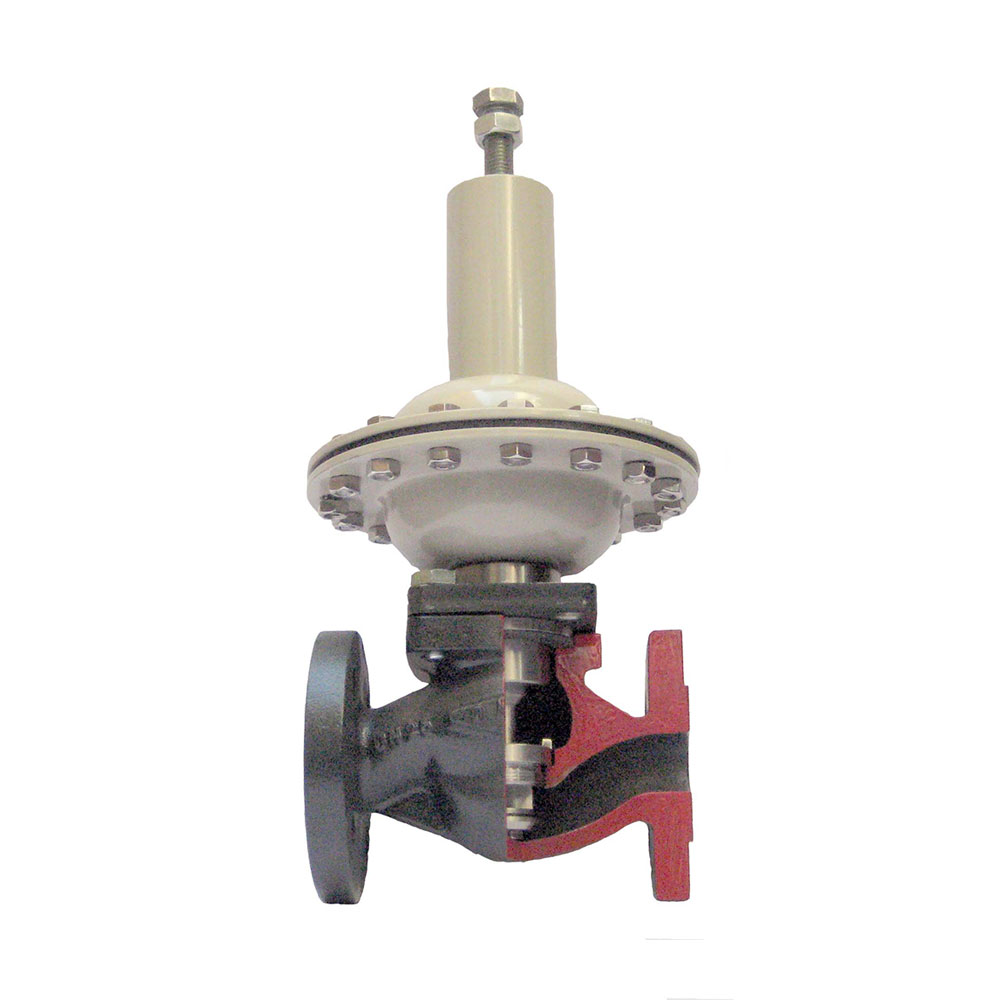 M2 diaphragm reducing valve
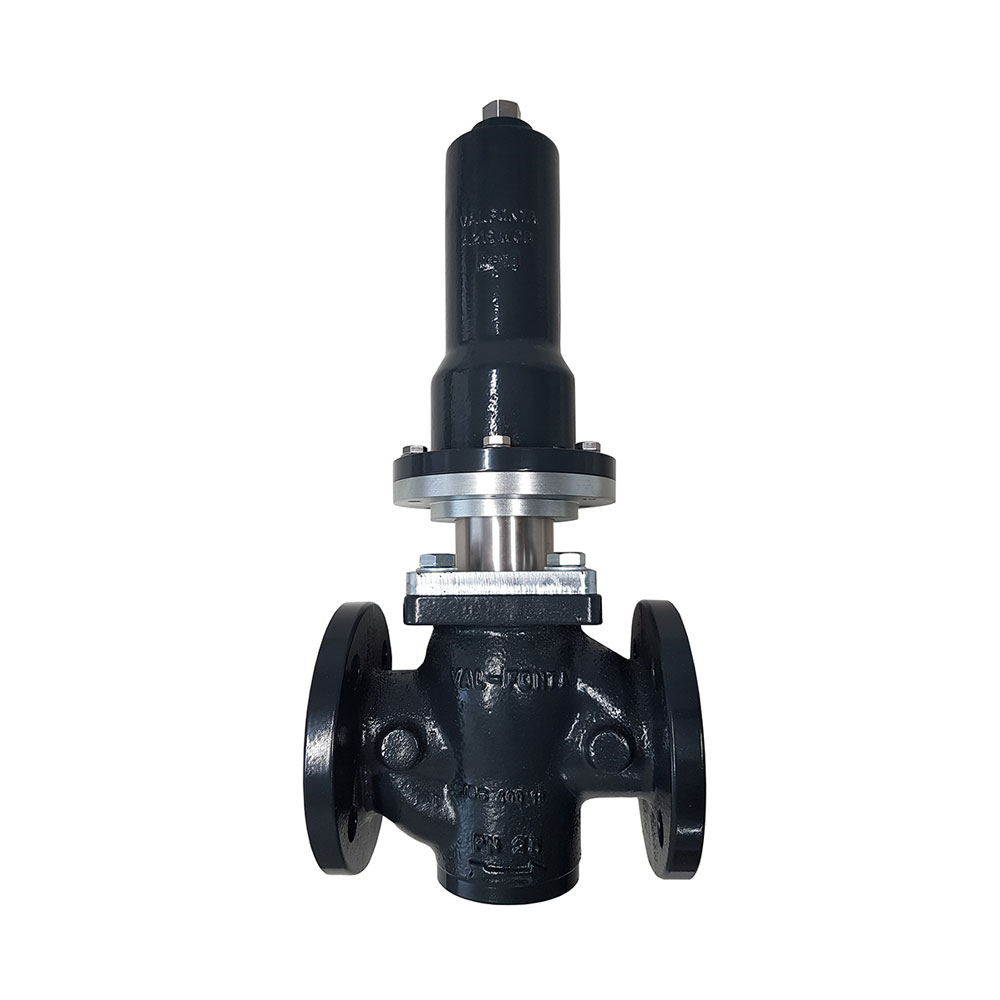 M2F bellows reducing valve
Related articles
Can we help with your installation?
Tell us the fluid, the inlet and outlet pressures, the temperature, and the flow rate, and we will recommend the right valve.
You can also call 933 720 888 or email valfonta@valfonta.com.