


Valves in explosive atmospheres: what do the ATEX regulations say?
Article contents
Explosive atmospheres pose a high risk in industrial environments where flammable gases, vapors, or dusts are present. To prevent accidents and ensure operational safety, it is essential to use valves and equipment certified to the ATEX regulations. You can view Valfonta’s certificates, including the one for custody of the ATEX technical file.
Below, we explain in detail what these regulations require and how they affect the choice of industrial valves for this type of hazardous environment.
What are the ATEX regulations and who do they affect?
The ATEX regulations correspond to European Directive 2014/34/EU, which sets out the mandatory requirements that all equipment and systems intended for use in potentially explosive atmospheres must meet. These regulations affect manufacturers, installers, and end users of industrial equipment located in environments with explosion risks.
ATEX-certified equipment is guaranteed to be designed and manufactured to avoid ignition sources such as sparks or high temperatures, preventing explosions and considerably increasing the safety of facilities and their operators.
ATEX zone classification: zones 0, 1, and 2
ATEX zones are classified according to the risk of an explosive atmosphere being present. Three main categories are identified:
- Zone 0: An area where an explosive atmosphere of gases, vapors, or mists is present permanently or for long periods. The risk is continuous and requires the most rigorously certified equipment.
- Zone 1: An area where an explosive atmosphere may occasionally form during normal operation of the system. The equipment used must be certified to withstand and prevent ignition.
- Zone 2: An area where an explosive atmosphere occurs rarely and for short periods. Even so, it is mandatory to use certified equipment that provides sufficient protection against accidental explosions.
What characteristics must a valve meet in an ATEX zone?
Valves intended for ATEX zones must meet a series of specific characteristics to ensure safety in these potentially hazardous environments:
- Special construction: They must be made with special materials and construction techniques that rule out any possibility of generating sparks or high temperatures during operation, ensuring they do not become an ignition source.
- Thermal resistance: The valves must be able to withstand not only the ambient temperature, but also the high process temperatures where they are installed, minimizing any risk of fire or explosion.
- Pneumatic actuation preferred: Pneumatic actuators are preferable to electric ones because they significantly reduce the risk of producing sparks or hot spots that could act as ignition sources in explosive atmospheres.
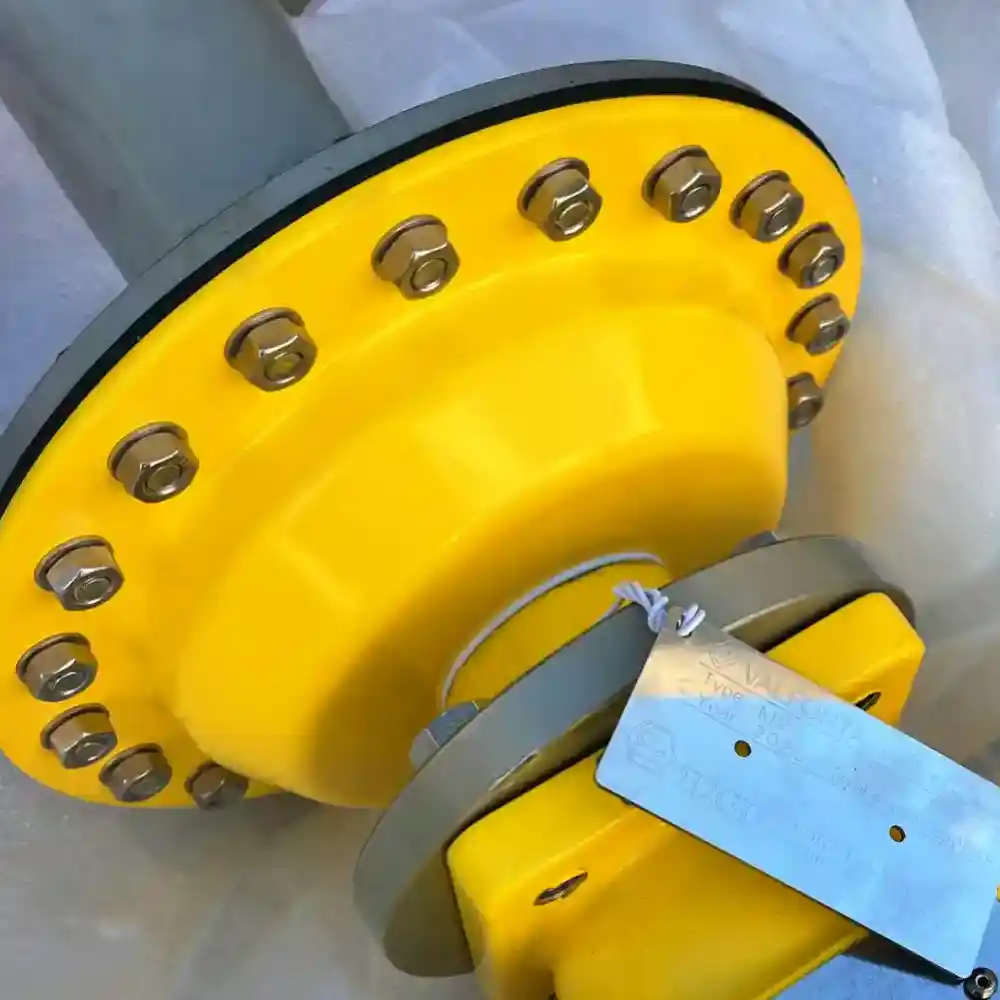
- Visible ATEX marking: Every valve intended for ATEX zones must carry clearly visible, durable labeling that indicates the specific ATEX certification, including details such as category, zone of use, and safe operating conditions.
Valfonta models compatible with ATEX environments
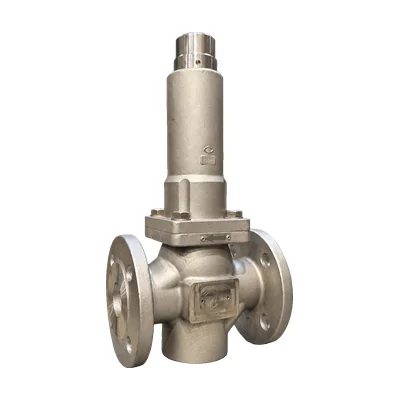
- C1: Pneumatic control valve certified for ATEX zones 1 and 21. Specially designed to regulate pressures in critical industrial processes.
- S1, S2, S3: Relief valves suitable for explosive atmospheres, capable of safely releasing pressure in the presence of flammable gases or vapors.
- PRV20, PRV30, PRV44, PRV45, VD, M1, M2, M2+Bellows: Robust pressure reducing valves, self-operated or balanced, adaptable on request to meet ATEX requirements and cover multiple industrial applications.
What documentation must accompany an ATEX valve?
Every valve certified for use in ATEX zones must be accompanied by specific documentation to ensure its correct use:
- Declaration of conformity: A document certifying compliance with the ATEX regulations.
- Specific technical manual: Provides clear instructions for installation, operation, and maintenance in explosive atmospheres.
- Notified body certificate: Essential for equipment that requires third-party verification.
- Visible labeling on the valve: Clearly identifies the certification and conditions of use.

| Model | Type | ATEX zone | Recommended use | Certification |
| C1 | Pneumatic control | 1 and 2 | Precise pressure regulation | Yes |
| S1, S2, S3 | Pressure relief | 1 and 2 | Overpressure protection | Adaptable |
| VD, M1, M2, M2+Bellows | Self-operated reducing valve | 1 and 2 | Stable pressure control | On request |
| PRV20, PRV30, PRV44, PRV45 | Pressure reducing valve | 1 and 2 | Various industrial applications | On request |
Technical advice for installations in hazardous areas
At Valfonta, we offer specialized technical advice to help you choose the most suitable valve for the specific requirements of your system: working pressure, fluid type, temperature, chemical compatibility, or regulatory compliance (ATEX, PED, CE).
Our team of engineers can support you through every phase of the project: from the design or renovation of installations to start-up, integration with other system components, and preventive maintenance.
We also offer tailored solutions if your installation requires a custom-designed valve.
Contact us with no obligation by phone at (+34) 93 372 08 88, by email at valfonta@valfonta.com, or through our contact form.
Trust Valfonta’s experience to improve the safety, reliability, and efficiency of your industrial installation.
Related valves
Related articles

Can we help with your installation?
Tell us the fluid, the inlet and outlet pressures, the temperature, and the flow rate, and we will recommend the right valve.
You can also call 933 720 888 or email valfonta@valfonta.com.