


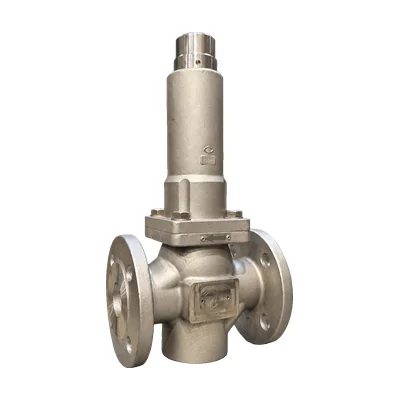

Selection and supply · Valfonta, Badalona, since 1962
Steam and liquid ejectors
Pump, mix, or lift a product using the energy of another pressurized fluid, with no moving parts. Two models: the 248 for pumping or mixing and the 250 for lifting liquids from one tank to another.
- Models2 · pumping, mixing, and lifting
- Pumping flow rate1,200 to 72,000 l/h
- Suctionup to 6.5 m
- Pressure and temperature16 barg at 200 °C
Questions about selection? Call 933 720 888 or email valfonta@valfonta.com.
Find your ejector
Available motive fluid
Connection
Heating the liquid in a tank or a pipe with steam? See the liquid and steam injectors.
- No moving parts: less noise and vibration
- Motive fluid: water, steam, or air, depending on the model
- Simulator based on tests for water/water and steam/water
- Valfonta, Badalona, since 1962
Steam and liquid ejector models
Filter with the search tool in the header or switch to the comparison table. Each product page includes sizes, dimensions, installation diagrams, and the PDF datasheet.
Pump, mix, or lift
The motive fluid entrains the product: liquids, solids, or gases. With no moving parts, they work where a mechanical pump is difficult to install.
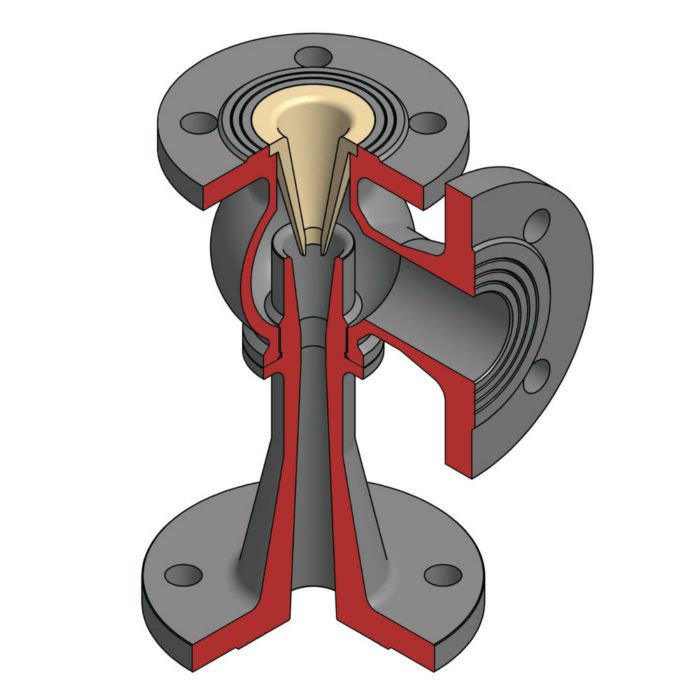
Pumping and mixing
248
Flanged jet ejector that pumps or mixes liquids, solids, or gases.
Flow rate
1,200 to 72,000 l/h motive steam at 4 bar
Motive fluid
water, steam, or air
Connection
DIN PN16 flanges · DN15–125
Suction
up to 6.5 m non-submerged
Choose it if you need to pump or mix liquids, solids such as cement or salt, or gases, or prime a pump that is not self-priming.
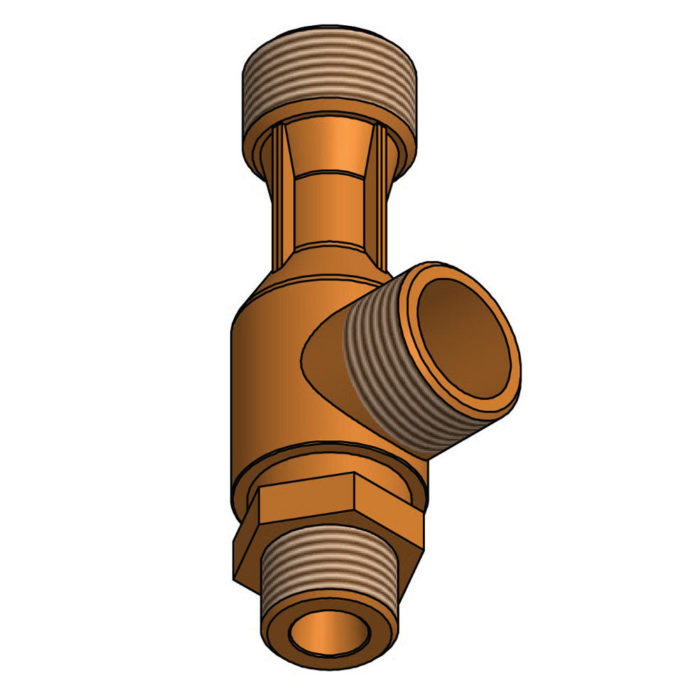
Liquid lifting
250
Threaded ejector that lifts cold, hot, or viscous liquids from one tank to another.
Flow rate
1,500 to 10,000 l/h 5 sizes
Motive fluid
dry steam or water
Connection
BSP thread
Suction
up to 6 m
Choose it if you need to lift liquids from a lower tank to a higher one with compact threaded equipment.
Data from the datasheets. All models: 16 barg at 200 °C. Flow rates for the 248 with motive steam at 4 bar; those for the 250 are maximums with 1 m suction and discharge heads.
No ejector matches these filters. Tell us about your application in the form or see the liquid and steam injectors.
What an ejector is and how it works
An ejector, also called an eductor, is a jet device with no moving parts. A pressurized motive fluid leaves a nozzle at high velocity and creates a vacuum in the mixing chamber; that vacuum draws in the product, and the two fluids, now mixed, recover pressure in the diffuser and leave through the discharge. It is used where a mechanical pump is difficult to install and, because it has no moving parts, it reduces noise and vibration.
The range has two models. The 248 and 250 pump, mix, or lift: the 248, with water, steam, or air as the motive fluid, moves liquids, solids, or gases; the 250, with dry steam or water, lifts liquids up to 6 m.
Valfonta, in Badalona since 1962, supplies these ejectors and helps you choose the model, the size, and the body and nozzle materials. In our article on steam jet ejectors, we explain how they work and where they are used.

Ejector or injector: which one you need
| 248 and 250 ejectors | 260 and 280 injectors | |
|---|---|---|
| Purpose | Pump, mix, or lift liquids, solids, or gases. | Heat the liquid in a tank (260) or in a pipe (280) with steam. |
| Motive fluid | Water, steam, or air (248); dry steam or water (250). | Steam. |
| Where it goes | In-line or between tanks. | At the bottom of the tank (260) or in the pipe (280). |
| Where to find them | On this page | Liquid and steam injectors |
Applications
- Pump primingWith the 248, when no self-priming pump is available.
- Water treatmentThe 248 draws a liquid from a tank and adds it to the main line.
- Solids additionPumping and mixing of cement, salt, or gels and preparation of chemical solutions with the 248.
- Lifting between tanksThe 250 draws from a lower tank and discharges into a higher one.
- Process industry and shipsThe 248 in chemical, paper, soap, beer, and alcohol plants, dyehouses, and ships (bilges).
Frequently asked questions about ejectors
What is a steam and liquid ejector?
A device with no moving parts that uses a pressurized motive fluid, such as water, steam, or air, to draw in and propel another fluid. The jet creates a vacuum that draws in the product, and the mixture recovers pressure in the diffuser before discharge.
When is an ejector better than a pump?
When a mechanical pump is difficult to install or a device with no moving parts, with less noise and vibration, is preferred. The 248 ejector can also prime a pump that is not self-priming.
What suction lift can they reach?
The 248, submerged in the liquid, draws a maximum of 2 m with cold water and, with steam at 5 barg, lifts up to 38 m; non-submerged, it reaches 6.5 m of suction lift and 5 to 12 m of discharge head, depending on the steam pressure. The 250 draws up to 6 m.
Ejector or injector to heat a liquid?
To heat with steam, use an injector: the 280 liquid heater for a liquid flowing through a pipe, and the 260, a threaded tubular injector in 316 stainless, for the bottom of the tank. Both are under liquid and steam injectors.
What maintenance do they need?
Because it has no moving parts, the 248 datasheet states that no maintenance is required.
What information does Valfonta need to prepare a quote?
What you want to do (pump, mix, or lift), the motive fluid and its pressure, the product and its flow rate, and the suction and discharge heads.
Technical guides on ejectors and injectors
Other families: Liquid and steam injectors · Pressure reducing valves · Pressure relief valves · Safety valves
Request a quote for an ejector
Give us your installation details and we will recommend the model, the size, and the body and nozzle materials.
- What you need to do: pump, mix, or lift
- Available motive fluid and its pressure
- Product and flow rate
- Suction and discharge heads
You can also call 933 720 888.